
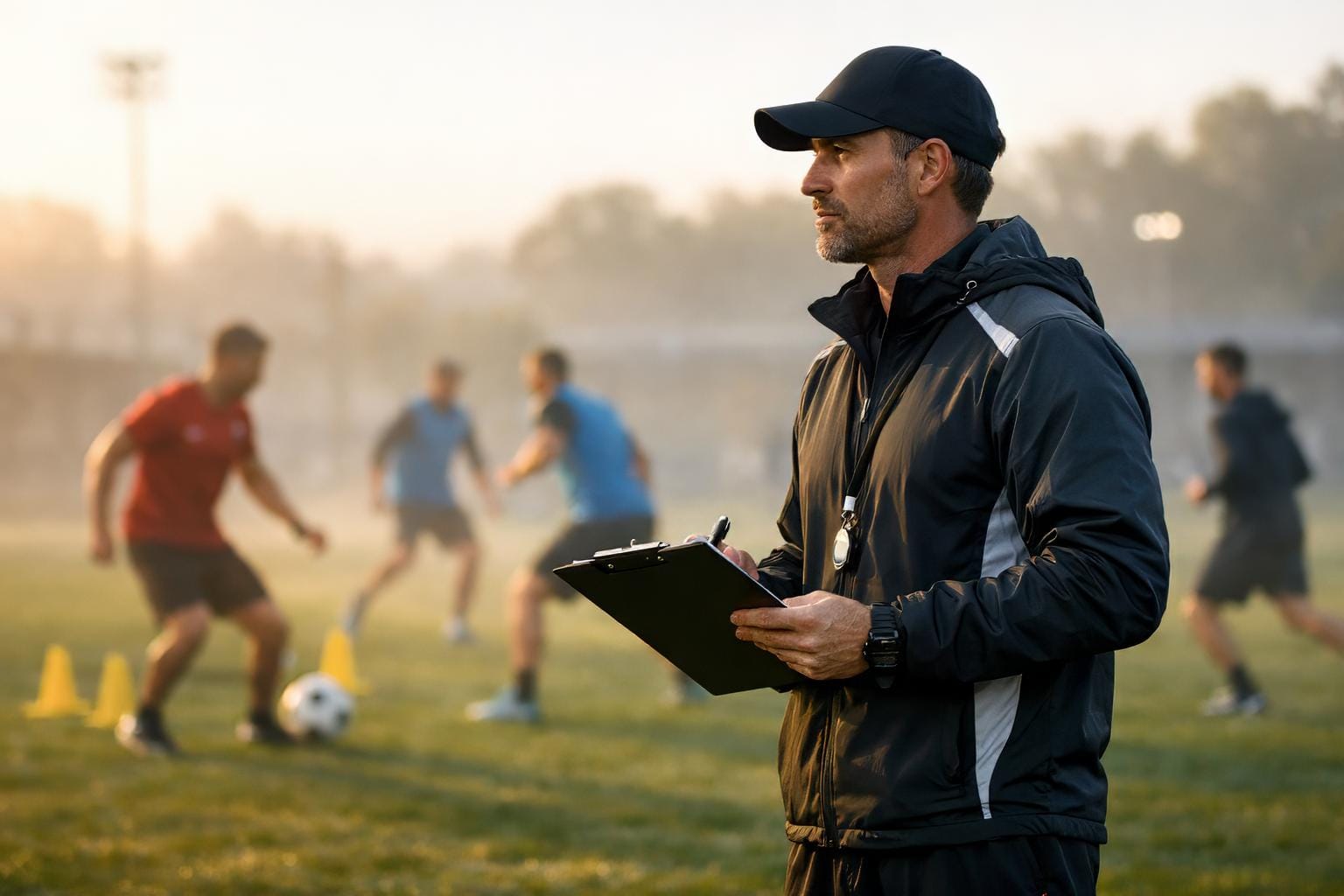
Team Strategy Tips for Coaches: Improve Performance
Introduction
The modern sports environment is far more complex than it was a decade or two ago — technology, psychology, medical science, and social dynamics all converge. A successful coach today is no longer just a technical expert; they must become a systems designer. By implementing effective Team Strategy Tips for Coaches, a holistic strategist can better integrate tactics, individual development, load management, psychological support, and data-driven decision-making. This article provides practical, contemporary, and actionable tips to enhance team performance.
1. Long-Term Vision and Team Identity
Everything starts with values and language — what kind of game do you play? What style do you maintain? A coach must move beyond short-term goals and establish a team DNA: priorities, schemes, and the philosophy of play. This vision should reflect in development processes, training programs, and championship strategies.
Key actions:
- Create a concise 3–5 sentence statement defining your style and priorities.
- Engage team leaders to embody this vision on the field.
- Develop a 3-year plan focusing on skill progression and team culture.

2. Data-Driven Coaching
Technology is essential. Modern teams use video analysis, GPS tracking, heart rate monitors, and AI algorithms to extract actionable insights. Data alone isn’t enough — the key is turning it into practical directives.
Practical steps:
- Define 4–6 KPIs and distinguish between internal and external load:
- Internal: Heart rate variability (HRV), subjective fatigue perception (RPE)
- External: Distance covered, number of high-intensity sprints
- Use automated reports for daily brief summaries of each athlete.
- Implement a minimal tech setup — even simple GPS or SMS tracking can be effective if used consistently.
3. Load Management
Load management is about strategic stress — challenging players enough to grow without overloading them. Balancing practice, competition, individualized monitoring, and recovery is essential.
How to implement:
- Continuous monitoring and daily short evaluations: strength, fatigue, sleep quality.
- Plan micro-cycles of 5–7 days where load gradually changes.
- Recovery protocols: breathing exercises, active recovery, and mobility sessions.
4. Psychological and Personal Support
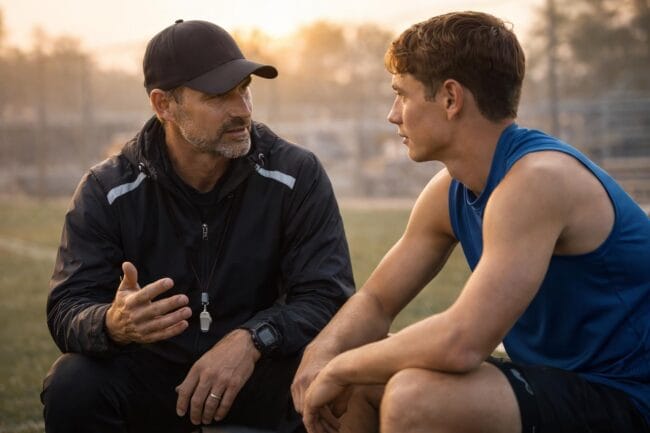
Mental health impacts performance. Coaches must create a safe environment for athletes to discuss injuries, stress, and personal challenges. Utilizing Growth Mindset principles can help: mistakes are framed as opportunities for learning rather than failures, and feedback is focused on effort and strategies instead of innate talent.
Actions:
- Regular group or individual check-ins focused on listening.
- Collaboration with sports psychologists or online consultations.
- Apply Growth Mindset: praise effort, encourage reflection on mistakes, and set improvement-focused goals.
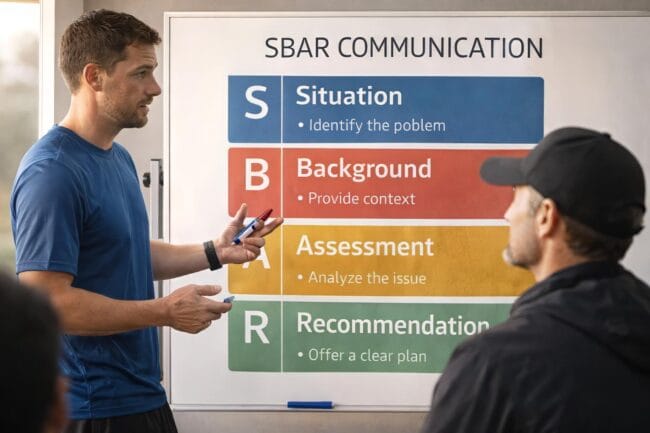
Clear, concise communication saves time. A shared team language — verbal signals, hand signs, short reports — should be standardized. Coaches can use structured methods such as Feedback Sandwich (positive–constructive–positive) or SBAR (Situation, Background, Assessment, Recommendation) for clarity and consistency.
Practical tips:
- Provide concise, constructive feedback using Feedback Sandwich or SBAR framework.
- Example of SBAR used by an assistant to coach:
- S (Situation): “Player 7’s muscle is tight.”
- B (Background): “Experienced discomfort during yesterday’s training.”
- A (Assessment): “I think the load is too high for him today.”
- R (Recommendation): “It’s best to give him a rest today.”
- Create a 5-point communication checklist (topics, actions, responsibilities).
- Train the team in crisis communication to respond calmly under pressure.
6. Tactical Flexibility and Precision
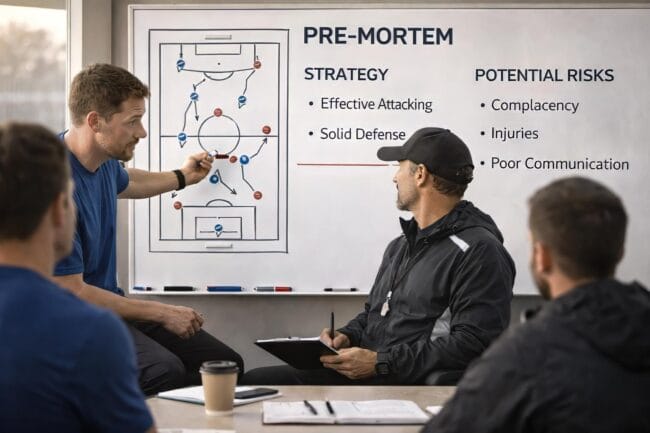
Even minor tactical adjustments can be decisive. Coaches should have several practical “tools” ready — quick-deploy formations, transition plays, defensive/offensive segments. Integrating a Pre-Mortem exercise is valuable: ask your staff, “Imagine six months have passed and our strategy has failed. What caused it?” This helps anticipate potential mistakes and weaknesses in advance.
How to teach:
- 10–15 minute practice segments focused on specific scenarios (e.g., 1v1 pressing, blocking schemes).
- Video self-review sessions within 1–2 days — short extracts to reinforce learning.
- Conduct Pre-Mortem discussions with the staff to identify risks and adjust tactics proactively.
7. Youth Development Focus
Professional programs build future stars. Progress comes from consistent development, not just wins.
Strategy:
- Individual pathways: 12–18 month target plans for each young player.
- Expand technical repertoire: allow talented youth to evolve across 2–3 positions.

8. Coaching Team: Collaboration and Clear Roles
Coaches aren’t solo operators. Modern coaching requires analysts, medical staff, psychologists, and assistants managing tactics.
Implementation:
- Create a responsibility map: who handles what and how information is shared.
- Weekly status meetings with all departments — 15 minutes on-field, 15 minutes data, 15 minutes medical.
Responsibility Map Example:
| Role | Responsibility |
|---|---|
| Head Coach | Overall strategy, final decisions |
| Assistant Coach | Tactical planning, daily drills |
| Analyst | Video breakdowns, KPI monitoring |
| Medical Staff | Injury prevention, recovery plans |
| Sports Psychologist | Mental health support, Growth Mindset coaching |
9. Practical Drills and Schemes
A) Fast Transition: 3 stations: conditioning (10 min), passing (12 min), positional play 4v3 (15 min). Stop early for first-time performers.
B) Micro-Practice for Ball Control: 6-minute intervals with goal: 90% successful surface control per second.
C) Psychological Block: 12 minutes: high-pressure scenarios, followed by 10 minutes of debrief/reflection.

10. Emotional Resilience After Defeat
A key challenge for coaches is guiding the team after losses. Building emotional resilience helps players learn from setbacks without losing confidence.
Strategies:
- Debrief calmly, focusing on actionable lessons rather than blame.
- Encourage reflection using Growth Mindset framework: what can we improve next time?
- Reinforce team cohesion and celebrate small achievements, even in defeat.
11. Legal, Ethical, and Cultural Challenges
Public scrutiny, social media pressure, role expectations, and health risks — coaches must manage confidentiality, injury protocols, and stress mitigation.
Actions:
- Develop media/social media policies.
- Implement simple emergency protocols for injuries and stress.
Summary and Action Checklist
- Create a concise 3–5 sentence team philosophy.
- Select 4–6 KPIs and implement daily reports, distinguishing internal and external load.
- Deploy minimal yet institutionalized technology.
- Establish individualized load cycles and recovery protocols.
- Integrate psychological support and Growth Mindset practices.
- Implement communication checklist and weekly status updates, including SBAR usage.
- Focus on emotional resilience and structured post-defeat strategies.
- Conduct Pre-Mortem discussions to anticipate risks and potential failures.
Conclusion and Call to Action
Modern coaching is a hybrid profession: technical knowledge, leadership, technological literacy, and human management converge to create success. There is no single trick or magic solution — only a systematic approach, constant experimentation, and resilient team culture. Start small: dedicate the first week solely to improving communication or implementing one specific tactical drill.
Real impact comes not from a perfect plan, but from the small improvements you embed into your system every day. Gradually build habits and strategies, and adapt continuously based on your team’s feedback and performance.
