

Pineapples: Why 3 Years is Essential for a Superior Crop
For centuries, pineapples have fascinated the world, not only as a tropical fruit but as a symbol of patience, skill, and agricultural mastery. While many consumers see pineapples simply as a sweet fruit on supermarket shelves, experts understand that producing a truly exceptional crop requires careful planning and dedication. Achieving superior quality involves a meticulous three-year growth cycle, allowing the fruit to develop its full flavor, perfect texture, rich nutritional profile, and strong market value. Any attempt to shorten this period may yield fruit faster, but it comes at the cost of the qualities that define a premium pineapple.
During the three-year cultivation, pineapples undergo complex physiological changes. Sugars accumulate gradually, interacting with natural acids to produce the multi-layered taste that sets high-quality pineapples apart. The texture evolves simultaneously as fibrous cells strengthen and water content balances, ensuring the fruit is both juicy and firm. Essential nutrients, including vitamin C, manganese, and B-complex compounds, reach their optimal levels only when pineapples are allowed to mature fully. Harvesting too early can result in fruit that appears ripe but lacks the nuanced flavor, structural integrity, and nutritional richness that discerning consumers expect.
The significance of pineapples extends far beyond the farm. In global markets across Europe, North America, and Asia, buyers increasingly demand consistent, high-quality produce. Premium pineapples command higher prices and attract loyal consumers, from supermarkets to gourmet chefs who can discern subtle differences in sweetness, aroma, and texture. Rushed growth cycles may meet short-term demand, but they undermine brand reputation and long-term profitability. For farmers, following the full three-year cultivation model is not just an agricultural principle. It is a strategic approach to sustaining economic and market success.
Sustainability is another essential factor in pineapple production. Longer growth periods allow for careful soil management, crop rotation, and organic or precision fertilization practices that preserve land fertility over time. Shortened cycles risk depleting soil nutrients, increasing dependence on chemical interventions, and compromising future yields. By respecting the natural rhythms of pineapples and their environment, farmers maintain both ecological balance and economic resilience.
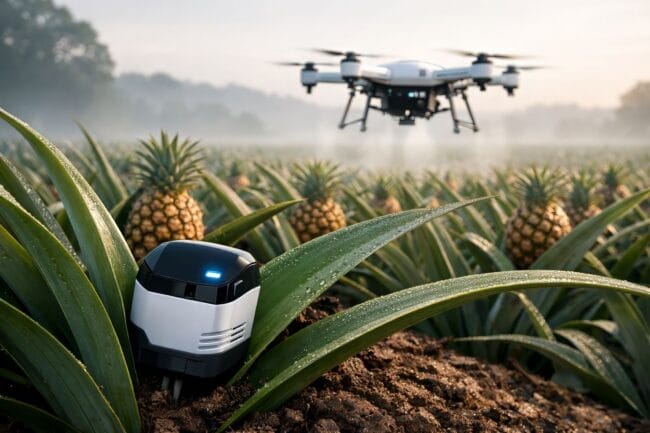
Technology now plays a key role in supporting these extended cultivation cycles. Soil sensors, AI-driven irrigation systems, and drones for crop monitoring allow precise tracking of plant health, moisture levels, and disease risks. These innovations complement traditional knowledge, enabling farmers to intervene only when necessary and ensuring the natural growth of pineapples remains undisturbed. This combination of patience and technology defines modern excellence in pineapple farming, producing fruit that meets the highest standards demanded by international markets.
The cultural and culinary significance of pineapples further underscores the importance of the three-year cycle. From tropical festivals in Southeast Asia to high-end kitchens in Paris and New York, pineapples are prized for their aroma, flavor, and visual appeal. They embody a commitment to quality, careful cultivation, and respect for natural processes. In a world dominated by speed and instant gratification, pineapples serve as a reminder that some things, including taste, texture, nutrition, and value, cannot be rushed.
The 3-Year Advantage: Why Shorter Cycles Compromise Flavor
Pineapples harvested before completing their full three-year growth cycle rarely achieve the complexity and depth of flavor found in fully matured fruit. Over time, sweetness, acidity, and aromatic compounds develop gradually, shaped by photosynthesis, nutrient absorption, and the specific conditions of the environment. When growth is accelerated, the fruit may appear visually ripe, but its taste and mouthfeel often fail to satisfy discerning consumers.
The three-year cultivation period is far more than a guideline; it is a carefully refined blueprint for producing premium pineapples. During this time, the plant directs energy toward developing the sugars, acids, and volatile compounds that define the fruit’s signature flavor. Every stage of growth matters, from the slow expansion of the fruit’s fibrous structure to the gradual balancing of water content, which ensures juiciness and firmness. Shortened cycles interrupt these natural processes, leaving the fruit with underdeveloped taste and a texture that may feel uneven or bland.
Farmers and agricultural experts emphasize that patience in pineapple cultivation is essential. It is a strategic practice rather than an optional approach, with tangible consequences for both flavor and market value. Fully matured pineapples command higher prices in global markets because they deliver a sensory experience that accelerated crops cannot replicate. Chefs, retailers, and international buyers can detect subtle differences in sweetness, aroma, and texture, making adherence to the full growth period a critical factor in sustaining brand reputation and consumer trust.
Moreover, the three-year growth cycle contributes to the fruit’s nutritional quality. Vitamins, minerals, and antioxidants accumulate steadily as the plant matures, providing benefits that are absent in prematurely harvested pineapples. This longer cycle also allows the plant to build resilience against diseases and environmental stresses, which enhances consistency and reduces losses during harvesting and transportation. By respecting the natural rhythms of pineapples, farmers ensure that each fruit reaches its full potential, offering a balance of taste, texture, and nutritional richness that short-cycle crops simply cannot match.

Sugar Accumulation Over Time
The sweetness of pineapples is not an instant achievement but the result of a slow and precise biological process. Over the course of three years, pineapple plants convert sunlight into chemical energy through photosynthesis, gradually storing sugars in the developing fruit. These sugars interact with natural organic acids, creating the signature tangy-sweet profile that sets premium pineapples apart from ordinary fruit. The balance of these compounds is delicate, and even slight deviations in timing or environmental conditions can affect the final flavor.
Accelerated growth cycles interrupt this natural progression. Fruit harvested too early may look ripe, but it often lacks the layered sweetness, subtle acidity, and aromatic complexity that define high-quality pineapples. The difference is immediately perceptible to chefs, food critics, and discerning consumers who rely on consistency for culinary applications, from fresh fruit platters to desserts and tropical beverages.
Scientific research underscores the importance of patience in pineapple cultivation. Studies have shown that sugar levels in the fruit correlate directly with the length of the growth cycle, making the three-year period not just a traditional guideline but a measurable determinant of taste. By allowing the plant to follow its natural rhythm, farmers ensure that each pineapple reaches its full potential, delivering both a rich flavor and an appealing texture.
Beyond taste, sugar accumulation also affects the fruit’s overall market value. Premium pineapples, carefully cultivated over the full growth cycle, command higher prices in global markets. Buyers understand that the intricate balance of sweetness and acidity cannot be rushed, and they are willing to pay a premium for fruit that demonstrates both flavor and quality. For farmers, respecting the natural sugar development of pineapples is both a science and an investment, aligning agricultural practice with culinary excellence and international market expectations.
The value of pineapples goes far beyond their natural sweetness. In global markets, consumers and retailers are increasingly attentive to subtle markers of quality, including visual appeal, uniform size, and authentic flavor. Supermarkets in Europe, high-end grocery chains in North America, and specialty markets across Asia consistently reward fruit that meets these standards. Pineapples grown over a full three-year cycle stand out not only for taste but also for the care and expertise evident in their appearance and consistency.
Premium pineapples command higher prices and foster lasting brand loyalty. For chefs and retailers, the difference is clear. Fully matured fruit delivers predictable flavor and texture. It is ideal for culinary applications and satisfies discerning customers. In contrast, pineapples harvested too early may look attractive but often lack the depth of flavor and uniformity expected in premium markets.
Farmers who follow the complete three-year growth cycle understand that long-term benefits outweigh the short-term gains of early harvesting. A fully matured crop signals dedication and skill. It aligns with international expectations and establishes a reputation for consistent quality. In the competitive global marketplace, high-quality pineapples are more than just produce. They are a statement of expertise, care, and commitment to excellence.

Texture Development in Mature Pineapples
Texture is one of the most underestimated qualities in pineapples, yet it plays a decisive role in how the fruit is experienced. While sweetness often dominates the conversation, the structural integrity of the flesh determines whether a pineapple feels refined or disappointing on the palate. Fibrousness, firmness, and juiciness do not simply appear at the final stage of growth. They develop gradually, shaped by the plant’s internal cell structure, water distribution, and the slow strengthening of natural fibers over a full three-year cycle.
As pineapples mature, their cellular walls thicken and stabilize. This process creates the balanced resistance that gives premium fruit its satisfying bite. When harvested at the proper time, the flesh holds its shape when sliced, releases juice evenly, and maintains a clean, smooth texture without excessive stringiness. The result is a fruit that performs reliably in both fresh and cooked applications.
Prematurely harvested pineapples tell a different story. Although they may reach market shelves looking acceptable, their internal structure often reveals the cost of accelerated growth. The flesh can be uneven, overly soft, or fibrous in an unrefined way. In desserts, this may translate into watery textures. In cocktails, it can dilute flavor balance. In fresh presentations, it can compromise visual appeal and mouthfeel. Chefs and food professionals notice these differences immediately because texture directly influences perception of quality.
Texture also works in harmony with sweetness and acidity. A well-matured pineapple does not simply taste balanced; it feels balanced. The firmness supports the sweetness, while the juiciness enhances aromatic release. This interplay creates a cohesive sensory experience. Without the full maturation period, that harmony is disrupted, and pineapples lose the structural elegance that distinguishes premium crops from standard produce.
For growers and exporters, allowing pineapples to complete their natural growth cycle is therefore not just about flavor development. It is about ensuring consistency, culinary performance, and consumer satisfaction. In competitive international markets, where quality differences can define brand reputation, texture becomes a measurable advantage. Fully matured pineapples deliver reliability. They slice cleanly, present beautifully, and provide the tactile richness that elevates the fruit from ordinary to exceptional.

Nutritional Benefits of Full Growth
Beyond flavor and texture, the full three year maturation cycle shapes the pineapple’s nutritional architecture in measurable ways. As the plant progresses through its natural growth phases, micronutrient density rises steadily. Vitamin C concentrations strengthen, supporting antioxidant capacity and immune function. B complex vitamins develop alongside metabolic activity, while essential minerals such as manganese accumulate in levels critical for enzymatic processes and bone health.
This gradual biochemical enrichment is not incidental. It reflects sustained photosynthetic efficiency, stable soil nutrient uptake, and uninterrupted physiological development. When harvest is delayed until full maturity, the fruit carries a more complete nutritional profile, not merely a sweeter taste.
The implications extend beyond consumer wellness. Higher nutrient density often correlates with improved structural integrity and post harvest stability. Mature fruit demonstrates greater resilience during storage and transport, reducing oxidative degradation and moisture loss. For growers and exporters operating in competitive global supply chains, this translates into longer shelf life, lower spoilage rates, and more consistent quality upon arrival.
In premium markets, nutritional credibility reinforces brand value. A fully matured pineapple is not simply a product of time. It is the result of disciplined cultivation that aligns agricultural science with consumer expectation, delivering both sensory excellence and tangible health benefits.
Understanding Global Market Dynamics
The global trade in pineapples operates within a tightly structured and highly competitive framework. A small number of producing regions, notably Costa Rica, the Philippines, and Hawaii, have established reputations for consistency, scale, and quality control. Their production models set performance benchmarks not only for yield, but for flavor standards, grading protocols, and export reliability.
In this environment, pineapples cultivated through a full three year cycle gain a strategic advantage. Premium markets increasingly reward depth of flavor, uniform texture, and verified nutritional value. Retail chains and importers assess Brix levels, size calibration, color development, and post harvest durability before approving long term supply contracts. Producers who prioritize full maturation can meet these metrics with greater predictability.
By contrast, short cycle production may generate faster turnover and temporary volume surges, but it often struggles to sustain brand equity. Fruit harvested prematurely can dilute sensory quality, weakening repeat demand and compromising retailer confidence. In global distribution networks where shelf space is limited and quality claims are scrutinized, consistency outweighs speed.
Commercial success in the pineapple sector depends on more than cultivation technique. Export certifications, phytosanitary compliance, cold chain management, and traceability systems shape access to high value markets in Europe, North America, and East Asia. Consumer expectations now extend to sustainability credentials, ethical labor standards, and transparent sourcing.
Producers who align agronomic discipline with market intelligence position pineapples not as commodities, but as differentiated agricultural products. Understanding trade flows, pricing volatility, and certification frameworks transforms agricultural expertise into durable commercial advantage.
Expert Insights from Agronomists
Across leading tropical research institutes, agronomists are remarkably consistent in their assessment of pineapple cultivation timelines. The three year cycle is not an arbitrary tradition preserved by habit. It reflects the biological tempo of the plant itself. Pineapples follow a defined physiological sequence that includes vegetative growth, floral induction, fruit set, and biochemical maturation. Each phase depends on the stability of the one before it.
During the extended vegetative stage, the plant builds leaf mass and root strength. This period determines how efficiently it can capture sunlight, absorb nutrients, and regulate water balance. Strong vegetative development directly influences eventual fruit size and internal composition. If this foundation is rushed, the plant may still produce fruit, but its metabolic capacity remains constrained.
Flower induction in pineapples is a sensitive process governed by environmental cues and plant maturity. Agronomists note that premature forcing techniques, often used to accelerate production, can disrupt hormonal balance within the plant. The result may be irregular flowering, uneven fruit formation, or variability in harvest timing. In commercial operations where uniformity is essential, such inconsistencies reduce grading efficiency and increase waste.
The final stage, biochemical maturation, is where quality is truly defined. Over time, sugars accumulate and organic acids adjust, creating the characteristic balance associated with premium pineapples. Enzymatic processes refine aroma compounds, while cellular structure stabilizes to support texture. Scientific trials repeatedly show that shortened cycles correlate with lower Brix readings, diminished aromatic complexity, and weaker nutrient density.
Agronomists also highlight micronutrient dynamics. Manganese, potassium, and vitamin C concentrations rise progressively as the fruit approaches full maturity. These compounds influence both nutritional value and post harvest performance. Pineapples harvested at optimal physiological maturity demonstrate improved resistance to handling stress and reduced susceptibility to spoilage during transport.
Expert consensus underscores a simple principle. High quality pineapples emerge from biological alignment, not mechanical acceleration. The three year timeline respects the plant’s internal processes rather than imposing artificial speed. For professional growers, this insight translates into measurable outcomes. Improved grading consistency, stronger export performance, and sustained market reputation all begin with disciplined adherence to natural growth cycles.
In global agriculture, data driven cultivation increasingly shapes competitive advantage. The testimony of agronomists reinforces what experienced farmers have long observed. Patience is not inefficiency. It is precision applied over time.
Sustainable Farming Practices
In modern agriculture, sustainability is not a marketing slogan. It is a structural requirement for long term viability. In pineapple cultivation, the three year cycle plays a central role in protecting both soil integrity and farm economics. When pineapples are grown according to their natural timeline, agronomic decisions can prioritize resilience rather than rapid extraction.
Pineapples are nutrient demanding crops. They require consistent access to nitrogen, potassium, and trace minerals to sustain leaf development and fruit formation. A measured three year cycle allows soil systems to recover between planting phases. Farmers can integrate crop rotation strategies that reduce pathogen build up, improve soil structure, and restore organic matter. Leguminous cover crops, for example, replenish nitrogen while protecting against erosion in tropical climates where rainfall can be intense.
Shortened cycles often compress this recovery window. The soil becomes a production platform rather than a living ecosystem. Over time, nutrient depletion accelerates, prompting heavier reliance on synthetic fertilizers. While chemical inputs may temporarily maintain yields, they can destabilize microbial balance and reduce long term fertility. This creates a cycle of dependency that increases costs and environmental risk.
Sustainable pineapple farming also benefits from controlled organic fertilization programs. Compost integration, mulching, and biological soil amendments enhance moisture retention and microbial diversity. These practices are easier to implement when production timelines are not forced. With adequate time, farmers can monitor soil health indicators such as pH stability, organic carbon levels, and root zone activity before initiating the next cultivation phase.
Water management is another dimension. Mature pineapple plants with well developed root systems use water more efficiently. Fields managed over a full three year cycle often show improved resilience during dry periods, reducing irrigation pressure and protecting regional water resources. In contrast, accelerated production models may push plants beyond optimal stress thresholds, increasing vulnerability to disease and yield variability.
From a commercial perspective, sustainability strengthens brand positioning. International buyers increasingly assess environmental stewardship alongside flavor and appearance. Certifications tied to soil conservation, reduced chemical use, and responsible land management influence purchasing decisions in premium markets. Producers who respect the natural rhythm of pineapples can align ecological responsibility with measurable product quality.
Long term agricultural success depends on equilibrium. A disciplined three year cultivation model supports healthy soils, stable yields, and consistent fruit characteristics. By integrating sustainability into production strategy, farmers protect not only the next harvest, but the land that makes all future harvests possible.
Technological Innovations Supporting Long Growth Cycles
The modern pineapple industry demonstrates that patience and innovation are not opposing forces. On the contrary, technology has become a critical enabler of long growth cycles, allowing farmers to extract maximum value from the three year cultivation period without sacrificing efficiency or control. Advanced tools now support decisions that were once guided solely by observation and experience.
Soil monitoring technologies form the foundation of this shift. Embedded sensors continuously measure moisture levels, nutrient availability, and temperature within the root zone. For pineapple growers, this data provides early warning signals of stress long before visual symptoms appear. Instead of reactive intervention, farmers can adjust irrigation or nutrient inputs with precision, preserving plant health throughout extended development stages.
Irrigation systems increasingly rely on artificial intelligence models that analyze weather patterns, evapotranspiration rates, and soil conditions. These systems deliver water only when and where it is needed, reducing waste and preventing root saturation. Over a three year cycle, such accuracy improves root stability and supports consistent sugar accumulation in pineapples, particularly in regions prone to seasonal rainfall fluctuations.
Aerial surveillance has also reshaped long term crop management. Drones equipped with multispectral imaging scan large plantations efficiently, identifying variations in plant vigor, chlorophyll levels, and canopy density. This allows farmers to detect disease outbreaks, nutrient deficiencies, or pest pressure at an early stage. Targeted treatment reduces chemical use and prevents localized issues from spreading across the field.
Precision fertilization technologies further enhance nutrient efficiency. Variable rate application systems distribute fertilizers based on real time plant demand rather than uniform estimates. Pineapples benefit from this tailored approach, as nutrient uptake evolves across different growth phases. Balanced feeding over time supports both yield stability and fruit quality, reinforcing the advantages of full maturation.
Digital farm management platforms integrate these data streams into unified decision dashboards. Growers can track plant performance across seasons, compare outcomes between plots, and refine practices with measurable accuracy. This long view aligns naturally with extended growth cycles, turning time into an asset rather than a constraint.
Technological innovation does not replace agricultural knowledge. It amplifies it. By combining traditional cultivation wisdom with modern monitoring systems, farmers protect the integrity of three year cycles while improving predictability and reducing risk. In this convergence of patience and precision, pineapples reach their highest potential, not through acceleration, but through informed stewardship over time.
The story of pineapples does not end at harvest. It expands across kitchens, dining rooms, and cultural traditions around the world. When chefs speak about exceptional ingredients, they often describe more than flavor. They refer to balance, aroma, structure, and the subtle qualities that distinguish ordinary produce from something memorable. Fully matured pineapples consistently earn that distinction.
In professional kitchens, precision matters. A pineapple that has completed its natural growth cycle offers reliable sweetness, measured acidity, and firm yet juicy flesh. Pastry chefs depend on that structural integrity when layering fresh fruit into tarts or caramelizing slices for desserts. Mixologists value aromatic intensity when crafting cocktails where pineapple must complement, not overpower, spirits. Even in savory cuisine, from tropical salsas to grilled preparations, mature pineapples deliver clarity of flavor that supports complex dishes.
The sensory profile of premium pineapples is multidimensional. Aroma compounds intensify over time, creating floral and citrus notes that emerge the moment the fruit is cut. Texture remains cohesive, neither watery nor fibrous. This consistency allows culinary professionals to design menus with confidence, knowing that each fruit will meet high standards.
Beyond gastronomy, pineapples carry historical symbolism. In many cultures, they represent hospitality and prosperity. Their image appears in architecture, textiles, and ceremonial displays. When consumers encounter a pineapple of exceptional quality, that symbolism feels authentic rather than decorative. The fruit becomes an embodiment of care and cultivation, not simply a commodity.
Global culinary trends increasingly emphasize ingredient integrity. Diners seek traceability, sustainability, and craftsmanship. Pineapples grown over three years align with these values. They reflect agricultural patience and respect for natural cycles, qualities that resonate in a marketplace attentive to ethical sourcing and authenticity.
Festivals and food events across tropical regions celebrate the pineapple harvest as a milestone, not merely a transaction. Communities gather to recognize the labor and time invested in producing premium fruit. Such celebrations reinforce a broader narrative. Quality requires commitment. Excellence requires duration.
In economic terms, this cultural significance strengthens demand. Restaurants, specialty retailers, and high end hospitality groups actively differentiate premium pineapples from mass produced alternatives. The fruit’s story becomes part of its value proposition. Consumers are not only purchasing sweetness. They are engaging with a narrative of discipline, expertise, and tradition.
Ultimately, the three year standard elevates pineapples beyond agriculture. It positions them at the intersection of science, culture, and cuisine. A fully matured fruit delivers more than taste. It carries meaning, craftsmanship, and a global recognition that true quality cannot be rushed.
FAQ: Pineapples and the Three-Year Growth Standard
Q: Why do pineapples require three years to reach premium quality?
A: Pineapples follow a natural physiological cycle that includes vegetative growth, flowering, fruit formation, and biochemical maturation. Completing this full timeline allows sugars, acids, and aroma compounds to develop in balance, resulting in superior flavor, texture, and nutritional density.
Q: What happens if pineapples are harvested earlier?
A: Early harvesting typically produces fruit with lower sugar concentration, uneven ripening, and weaker aroma. While visually acceptable, these pineapples often lack the depth of flavor and structural firmness associated with premium-grade produce.
Q: How does the three-year cycle affect sweetness levels?
A: Sweetness in pineapples is measured through Brix levels, which reflect sugar concentration. Over time, sustained photosynthesis and nutrient uptake increase sugar accumulation. Shortened cycles often correlate with lower Brix readings and reduced flavor complexity.
Q: Does longer cultivation improve nutritional value?
A: Yes. As pineapples mature fully, levels of vitamin C, manganese, and other micronutrients increase naturally. This enhances both health benefits and post-harvest resilience during storage and transport.
Q: Are three-year pineapples more sustainable to grow?
A: Extended growth cycles allow for better soil management, crop rotation, and organic fertilization strategies. This reduces pressure on land resources and lowers dependence on intensive chemical inputs, supporting long-term agricultural sustainability.
Q: How do global markets differentiate premium pineapples?
A: Importers and retailers evaluate factors such as uniform size, color development, sugar content, texture, and shelf life. Pineapples grown over a full cycle consistently perform better against these benchmarks, strengthening brand reputation.
Q: Which countries set quality standards in the pineapple industry?
A: Major producers like Costa Rica, the Philippines, and Hawaii have established export protocols and grading systems that influence global expectations. Their emphasis on consistency and maturity shapes international quality standards.
Q: Can technology support long growth cycles efficiently?
A: Modern tools such as soil sensors, drone surveillance, and AI-driven irrigation systems help farmers monitor plant health throughout extended cultivation. These innovations enhance precision without accelerating the biological process unnaturally.
Q: Why do chefs prefer fully matured pineapples?
A: Mature pineapples provide balanced acidity, stable texture, and pronounced aroma. This consistency allows culinary professionals to rely on the fruit for desserts, beverages, and savory dishes that demand flavor clarity.
Q: Is the three-year standard economically viable for farmers?
A: Although longer cycles require patience, they often result in higher market prices, reduced spoilage, and stronger buyer relationships. Over time, this approach can generate more sustainable returns than rapid, volume-driven production.
Editorial Disclaimer
This article on pineapples and the importance of the three-year cultivation cycle is intended for educational and informational purposes only. It reflects current research, expert insights, and global market observations regarding pineapple growth, quality standards, and nutritional benefits. While every effort has been made to ensure accuracy, individual results may vary depending on local growing conditions, agricultural practices, and market factors. Readers and professionals should consult agronomists, horticultural specialists, or certified experts before making decisions based on the information provided. The authors and publisher are not liable for any outcomes arising from the application of the methods or recommendations discussed in this article.
References
- Low-Input Pineapple Crops and Fruit Quality: A research paper published by Cambridge University Press demonstrating the advantages of organic and locally integrated fertilization in improving fruit density and sustainability via Cambridge Core.
- Sustainable Pineapple Production and Food Security: A peer-reviewed study analyzing the socio-economic impacts of pineapple cultivation and its role in regional food systems via BioMed Central.
- Mathematical Modeling in Pineapple Farming: A scientific article from the MDPI database discussing data-driven models used to optimize crop yields and resource management via MDPI.
- Post-Harvest Physiology and Quality Research: A high-impact study focusing on the biochemical changes and storage requirements necessary to maintain fruit quality after harvest via ScienceDirect.
- Technical Management and Nutrient Requirements: A professional agronomical guide outlining the specific NPK (Nitrogen, Phosphorus, Potassium) balances required for optimal pineapple growth via ICL Growing Solutions.
