
Banana Leaves vs Plastic: 1 Amazing Way to Save Earth
The Moment a Grocery Aisle Became a Symbol
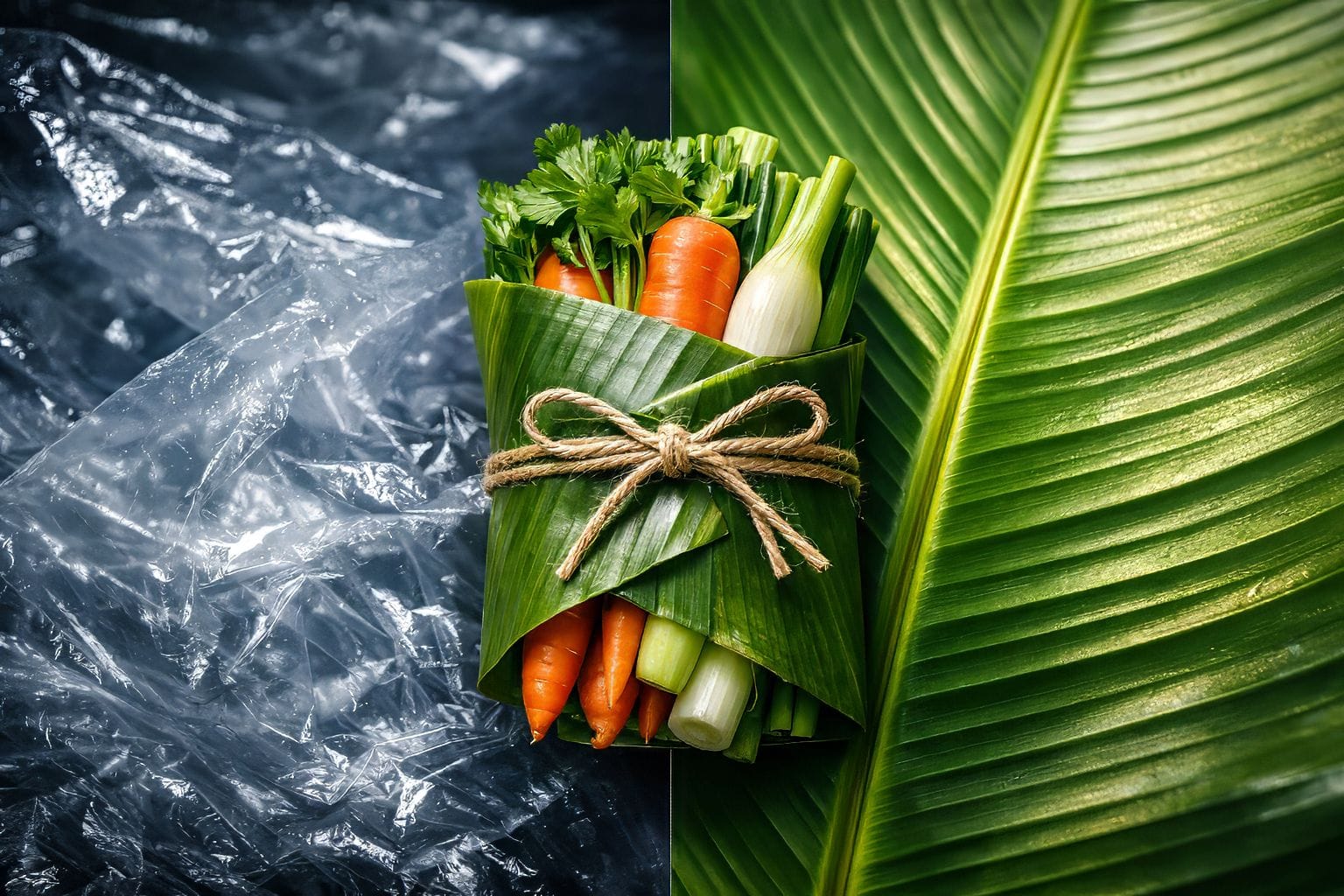
Environmental change is often imagined as the product of legislation, corporate strategy, or groundbreaking technology. Yet some of the most influential shifts begin quietly, in ordinary spaces. One striking example comes from retail aisles in northern Thailand, where vegetables are increasingly wrapped in Banana Leaves instead of plastic.
This is not merely a return to tradition. Banana Leaves have long served as natural packaging due to their flexibility, water resistance, and wide availability. However, integrating them into modern supermarket supply chains carries practical, ecological, and cultural significance. In a country where single-use plastics account for a significant portion of municipal waste – Thailand alone generates over 2 million tonnes annually – the switch has tangible environmental benefits.
Photographs documenting the leaves in supermarkets like Chiang Mai’s Rimping chain spread rapidly on social media. These images were more than visual curiosities; they highlighted a measurable reduction in plastic use at the store level. Supermarket managers reported cutting hundreds of kilograms of plastic weekly by substituting Banana Leaves for synthetic packaging, an initiative now being studied by environmental NGOs for potential replication elsewhere.
The significance extends beyond waste reduction. Consumers encountering produce wrapped in Banana Leaves are prompted to consider sustainability in tangible terms. Surveys conducted by the Thai Green Market Initiative indicate that over 68% of shoppers perceived leaf-wrapped products as “environmentally responsible,” with nearly 40% willing to pay a small premium for the packaging. Such responses suggest that the presence of Banana Leaves acts not only as packaging but also as a behavioral nudge, embedding ecological awareness into routine purchasing decisions.
From an environmental perspective, the benefits are measurable. Unlike plastic, Banana Leaves decompose naturally, returning nutrients to the soil rather than accumulating in landfills or oceans. Research estimates that if similar substitutions were scaled across Thailand’s retail sector, they could prevent up to 5,000 tonnes of plastic waste annually.
The initiative also bridges the gap between tradition and innovation. By reviving a centuries-old method of wrapping food in plant materials, supermarkets demonstrate that sustainable solutions do not always require novel technology. Instead, they often require re-evaluating existing, culturally embedded practices and adapting them to modern logistics and hygiene standards.
In this context, a bundle of vegetables wrapped in Banana Leaves is more than packaging. It is a symbol of a systemic approach to environmental responsibility that connects business strategy, consumer behavior, and ecological impact. It demonstrates that everyday choices, when scaled across communities and nations, can meaningfully reduce environmental harm while inspiring broader societal reflection on sustainability.

Consumers Who See Sustainability in Their Hands
Conversations about sustainability often emphasize governments, corporations, and policy frameworks. Yet real impact frequently starts with individual choices. Each time a consumer picks up a product, inspects its packaging, and considers its environmental consequences, abstract concepts become immediate and tangible.
Plant-based materials offer a direct connection to ecological responsibility. Banana Leaves are an example. They are widely available in tropical regions, inexpensive, naturally biodegradable, and safe for food use due to their antibacterial and antioxidant properties. Their texture, scent, and appearance communicate their organic nature in a way that plastic never can, making the environmental implications of everyday purchases visible.
The effect on perception is significant. When shoppers handle produce wrapped in Banana Leaves instead of synthetic packaging, they participate in a practical narrative of waste reduction. This simple interaction reinforces the idea that sustainability is not a distant ideal but an actionable choice embedded in daily life.
The urgency of such choices is underscored by global statistics. Humanity generates roughly 300 million tonnes of plastic waste each year, and nearly 40 percent of plastic products are discarded within one month of use. Millions of tonnes leak into oceans and freshwater systems annually, disrupting ecosystems and threatening communities that rely on these environments for food and income.
By integrating alternatives like Banana Leaves into everyday retail contexts, supermarkets and markets offer consumers a way to engage with sustainability directly. These materials transform routine shopping into a visible, practical expression of environmental responsibility and demonstrate that sustainable behavior can be an accessible part of daily life rather than a distant obligation.
Workers and Retailers as Agents of Cultural Translation
Sustainability is often discussed in terms of technological solutions, yet human actors play a critical role in translating environmental goals into everyday practice. Retail staff implementing packaging changes, farmers supplying organic materials, and store managers establishing procurement policies are the intermediaries who transform ecological ideals into operational reality.
In Southeast Asia, supermarkets adopting Banana Leaves for produce packaging illustrate how local traditions can shape modern retail systems. These initiatives are not isolated – similar practices have emerged in Thailand, Vietnam, and Malaysia – demonstrating that cultural knowledge and observational learning can drive adoption even without formal regulations or government mandates.
For workers, these transitions involve practical adaptation. Handling leaves requires different techniques than sealing plastic, including careful folding, managing moisture levels, and adjusting storage to maintain freshness. Training employees to manage these variables strengthens operational understanding and reconnects labor processes with the materials themselves, providing an experience closer to traditional craftsmanship than the standardized routines of industrial packaging.
From a sociological perspective, the shift is more than a simple substitution of one material for another. It represents a recalibration of human-material relationships within commercial environments. Workers become active participants in environmental stewardship, mediating between the cultural heritage of plant-based packaging and the expectations of contemporary consumers. In doing so, they reinforce the idea that sustainability is not only a policy objective but also a lived, operational practice embedded in daily labor.
Scientists and Engineers Bridging Tradition and Innovation
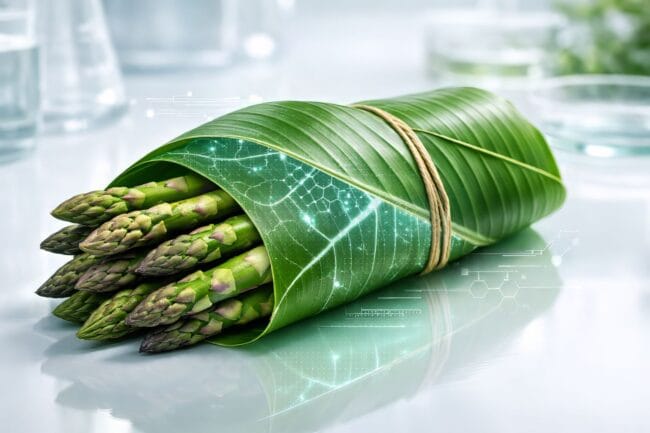
At first glance, wrapping vegetables in Banana Leaves appears simple. Yet beneath this traditional practice lies a growing field of research where scientists and engineers investigate plant-based materials as alternatives to conventional plastics. Their studies examine durability, antimicrobial properties, and the broader environmental impact of packaging.
Banana leaves and other plant residues can be processed into biodegradable sheets through methods such as biopulping and layering. These sheets maintain sufficient strength for safe transport and retain natural antibacterial qualities. Their semi-permeable structure allows gases and moisture to pass at controlled rates, which can help extend the shelf life of perishable products. This demonstrates that the value of Banana Leaves extends beyond symbolic sustainability into functional advantages for food handling and retail logistics.
The combination of cultural knowledge and scientific validation is at the heart of this innovation. Communities across tropical regions have used leaves for centuries to wrap and preserve food. Today, engineers and researchers are studying these practices to optimize them for large-scale adoption, creating hybrid solutions that respect traditional methods while applying rigorous modern standards.
The practical effects are increasingly visible. Retailers using Banana Leaves report reductions in plastic consumption while maintaining produce quality. Observations suggest lower spoilage rates for certain fruits and vegetables compared with standard plastic packaging. Consumers also respond positively, associating leaf-wrapped products with freshness, ecological responsibility, and higher perceived value.
Experts note that this convergence between tradition and laboratory research illustrates a key principle in sustainability. Initiatives are most effective when they integrate scientific evidence, cultural context, and everyday human behavior. Banana Leaves provide a tangible example. They reduce environmental impact, educate consumers, and connect retail staff with materials in a way that reinforces ecological practices.
Ultimately, the story of Banana Leaves demonstrates that solutions to environmental challenges do not always require entirely new technologies. Often, the most effective strategies build on existing knowledge, testing and adapting it with modern methods. By bridging cultural heritage with contemporary science, researchers, retailers, and consumers together transform a simple leaf into a measurable tool for sustainability.
Environmental Advocates Framing the Moral Narrative
Efforts to reduce plastic pollution often gain momentum through small, tangible actions that people can see and participate in. The practice of wrapping produce in Banana Leaves has become a focal point for environmental campaigns, transforming a simple choice into a visible story about responsibility, ethics, and community action. What might seem like a modest substitution, leaves instead of plastic, carries weight because it connects individual behavior with wider environmental consequences.
The scale of the problem is concrete. Tens of millions of tonnes of plastic packaging enter the environment each year. A large portion ends up in rivers, lakes, and oceans, harming marine species, damaging ecosystems, and threatening communities that rely on fisheries for their livelihoods. In this context, the use of Banana Leaves offers a practical alternative that is immediate, visible, and understandable, showing that meaningful change can start with everyday consumer decisions.
Advocacy emphasizes that small actions can scale. Consumers who handle leaf-wrapped produce engage with sustainability on a sensory level. Touching and seeing the packaging reinforces awareness, linking personal choices to environmental responsibility. This approach demonstrates that sustainability is not only a distant policy goal but a practice embedded in daily life.
Cultural heritage adds another layer of significance. Banana Leaves have been used for centuries in tropical regions to store, transport, and preserve food. Environmental campaigns highlight this history to demonstrate that traditional practices can meet modern ecological challenges. By connecting time-tested knowledge with contemporary sustainability concerns, these initiatives make the practice relatable, credible, and culturally meaningful.
The impact extends beyond symbolism. Leaf-wrapped produce sends a market signal to retailers that consumers value eco-friendly packaging. Over time, businesses adopt these alternatives, influencing supply chains, production methods, and broader retail behavior. Consumers participating in this process do more than reduce plastic waste—they contribute to shaping social norms, fostering community awareness, and embedding environmental responsibility into the routines of everyday life.
By integrating cultural understanding, scientific insight, and advocacy, Banana Leaves become more than a packaging material. They function as an educational tool, a behavioral prompt, and a symbol of collective action. This example demonstrates that sustainability is most effective when it connects individual agency, cultural knowledge, and measurable outcomes, showing that meaningful environmental change can begin with choices made in the hands of ordinary shoppers.
For government officials, the challenge of promoting sustainability goes beyond inspiring public interest. While initiatives like using Banana Leaves for packaging capture attention and encourage individual action, policymakers must also consider scalability, economic feasibility, and infrastructure requirements.
Banana-leaf packaging cannot be applied universally. Climatic and agricultural limitations mean that not every region can cultivate suitable leaves at scale. This prompts exploration of alternative plant-based materials from the same botanical family or other locally available resources that offer similar environmental benefits.
These constraints highlight a broader governance challenge. Sustainable transitions require careful consideration of geographic diversity, resource availability, and supply chain capacity. Policymakers must balance the immediate appeal of visible, symbolic solutions with long-term systemic strategies that can operate across regions and ecosystems.
At the same time, international negotiations continue to address the root causes of plastic pollution. Diplomatic efforts focus on establishing binding targets to reduce primary polymer production, encouraging circular economies, and mitigating environmental harm on a global scale. These conversations underscore the complexity of sustainability, where local actions intersect with global commitments.
Government actors thus navigate a dual reality. On one side, small-scale, culturally resonant initiatives like Banana Leaves inspire consumers and demonstrate that change is possible. On the other, systemic considerations demand strategic planning, resource management, and policy instruments capable of sustaining environmental impact over time. Successful sustainability efforts emerge where these two dimensions intersect, combining symbolic value with scalable solutions.
Communities Reviving Cultural Memory
For many societies, wrapping food in Banana Leaves is less an innovation than a revival of longstanding practices. Generations of people used natural, biodegradable materials long before industrial plastics dominated global supply chains.
Bringing these traditions back reconnects communities with their cultural heritage. It reinforces continuity while offering solutions to modern environmental challenges. From an anthropological perspective, this reflects adaptive reuse, where historical knowledge becomes a practical resource rather than merely a nostalgic gesture.
Human identity is central to this process. Practices rooted in cultural memory create emotional resonance, encouraging participation that goes beyond rational environmental reasoning. Leaf-wrapped produce becomes a way for individuals to express belonging, responsibility, and cultural pride, transforming sustainability from an abstract duty into a shared, meaningful practice.
This emotional and cultural dimension often determines the longevity of ecological transitions. Communities that embrace traditional materials such as Banana Leaves embed environmental responsibility into everyday life, making sustainable behavior more resilient and self-reinforcing.
By connecting cultural heritage with modern ecological needs, these initiatives demonstrate that effective environmental action relies not only on technology or policy but also on people’s values, identities, and shared histories. Banana Leaves thus serve as both a practical tool and a symbol of cultural continuity and ecological awareness.
Economists and Entrepreneurs Sensing Opportunity
Environmental change often creates new economic possibilities. Entrepreneurs exploring the use of Banana Leaves and other biodegradable materials see a market aligned with evolving consumer values and growing demand for sustainable packaging.
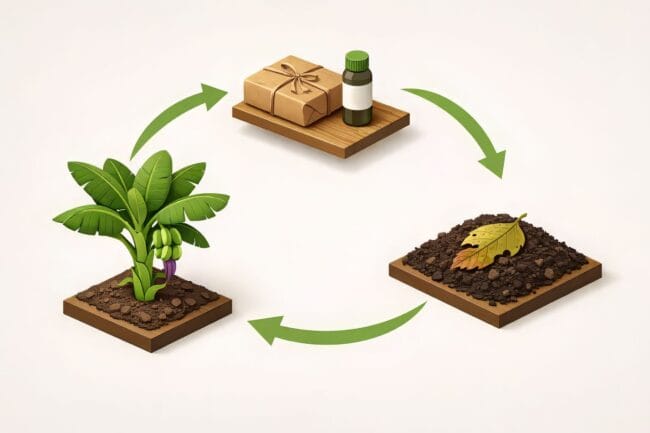
Plant-based solutions derived from agricultural byproducts exemplify circular economy principles. These approaches convert residual biomass into commercially viable products while reducing waste, creating business models that are both profitable and ecologically responsible.
At the broader economic level, plastics remain dominant because of their low cost and entrenched production infrastructure. Forecasts suggest that plastic consumption may continue to rise in coming decades, increasing environmental pressures and creating incentives for alternative materials to gain traction.
In this context, economists and business leaders play a pivotal role. Their investments, procurement decisions, and product development strategies determine whether sustainable materials like Banana Leaves move beyond niche use into mainstream adoption. By bridging environmental goals with market logic, economic actors help translate ethical and ecological priorities into tangible business outcomes.
The adoption of Banana Leaves in commercial packaging illustrates this dynamic. As retailers and manufacturers integrate leaf-based solutions, they signal to the market that sustainable alternatives can meet consumer demand, reduce ecological impact, and align with profitable business strategies. In doing so, they demonstrate that environmental responsibility and economic opportunity can advance together rather than in opposition.
Individuals Confronting the Scale of Consequences
Sustainability ultimately comes into focus at the individual level. Scientific research highlights the pervasive nature of environmental threats. Microplastics now infiltrate ecosystems worldwide and have even been detected in human tissues, making pollution a personal as well as planetary concern.
Plastic waste entering oceans each year damages marine life and threatens the food systems that communities rely on for nutrition and livelihoods. The scale of this impact brings abstract environmental concepts into everyday reality, challenging individuals to reconsider habitual behaviors.
In this context, the use of Banana Leaves for packaging takes on symbolic and practical significance. A simple leaf-wrapped vegetable becomes a reminder that small, deliberate choices can contribute to larger ecological outcomes. It represents the possibility of rethinking consumption habits in light of systemic evidence and personal responsibility.
This process of reflection is a defining feature of contemporary environmental awareness. Individuals confronted with tangible alternatives, such as Banana Leaves, are prompted to integrate sustainability into daily life. Beyond reducing waste, these choices cultivate mindfulness, connecting personal health, cultural practices, and ecological stewardship.
By highlighting the intersection of scientific knowledge, consumer behavior, and accessible solutions, Banana Leaves illustrate how individual actions can resonate widely, influencing social norms, retail practices, and the broader trajectory of environmental responsibility.
Humanity Searching for Scalable Hope
The Banana Leaves initiative alone cannot solve global dependence on plastic. No credible environmental analyst would present it as a complete solution. Its significance lies in the broader lessons it offers.
It demonstrates how human creativity can reinterpret traditional practices. It illustrates how consumers respond when visible, practical alternatives are available. It shows how cultural, scientific, and political actors intersect within sustainability efforts to create meaningful change.
Worldwide, hundreds of millions of tonnes of plastic are produced annually. Any transition away from this reliance requires strategies that integrate technology, regulation, and behavior. Single initiatives, no matter how symbolic, cannot replace comprehensive action.
Yet small examples like Banana Leaves matter because they make abstract environmental challenges tangible. They allow individuals to experience the possibilities of change directly. A leaf-wrapped vegetable becomes more than packaging. It is a concrete lesson in how everyday choices influence larger ecological outcomes.
From a human-centered perspective, this story is not just about replacing plastic with leaves. It is about people redefining convenience, reconnecting with cultural heritage, and negotiating responsibility within the ecological realities of modern life. Personal decisions interact with community norms, market behaviors, and policy frameworks to shape outcomes.
Most importantly, the initiative highlights that the future of sustainability will not emerge solely from technological innovation or government regulation. It will be shaped by countless human decisions, repeated daily in ordinary spaces. Sometimes those decisions occur quietly in a grocery aisle, where choosing Banana Leaves over plastic becomes a small but meaningful act of environmental stewardship.
FAQ: Banana Leaves and Sustainable Packaging
Q: Why are Banana Leaves considered an eco-friendly packaging option?
A: Banana Leaves are naturally biodegradable and renewable. Unlike plastic, they break down quickly in the environment, return nutrients to the soil, and require no industrial processing. Their use helps reduce waste and supports more sustainable consumption patterns.
Q: How do Banana Leaves relate to traditional practices?
A: In many tropical regions, Banana Leaves have long been used for wrapping and storing food. Modern adoption draws on this heritage, showing that practices rooted in cultural knowledge can offer practical solutions for contemporary environmental challenges.
Q: Can Banana Leaves replace plastic on a global scale?
A: Complete replacement is not feasible due to geographic and climatic limitations. Not all regions can cultivate leaves at scale. However, the initiative demonstrates how small, localized solutions can influence consumer habits and reduce environmental impact where feasible.
Q: What impact do consumers have on the success of Banana Leaf packaging?
A: Consumers drive adoption by choosing products wrapped in Banana Leaves. This visible action reinforces environmental awareness, signals demand to retailers, and encourages the market to adopt more sustainable alternatives.
Q: What role do businesses and governments play in promoting this initiative?
A: Businesses assess supply chains, production costs, and market potential, while governments consider regulations, feasibility, and scalability. Collaboration between these actors helps move Banana Leaves from symbolic use to practical, wider adoption.
Q: Beyond reducing plastic, what benefits do Banana Leaves provide?
A: Banana Leaves have natural antimicrobial properties, protect food from moisture, and extend freshness. They are flexible, durable, and large enough to wrap many types of produce, offering functional advantages alongside their environmental benefits.
Q: Why is this initiative important beyond packaging substitution?
A: The Banana Leaf initiative demonstrates how culture, consumer behavior, and commerce can intersect to create broader environmental change. It shows that everyday decisions, even in grocery aisles, can accumulate into meaningful reductions in plastic use and foster a culture of sustainability.
Editorial Disclaimer
The following article, Banana Leaves vs Plastic: 1 Amazing Way to Save Earth, is intended for informational and educational purposes. While it highlights environmental practices, cultural heritage, and consumer behavior related to sustainable packaging, it does not constitute professional advice. The perspectives presented reflect research, expert commentary, and observable initiatives but may not apply universally. Readers are encouraged to evaluate local conditions, regulations, and personal circumstances before adopting practices discussed in the article. The publication does not assume responsibility for outcomes resulting from the implementation of the solutions described.
References
- Biodegradable Packaging from Agricultural Wastes: A comprehensive review published in Polymers (MDPI) that evaluates the use of agricultural residues and forestry waste for creating eco-friendly packaging materials via MDPI.
- Sustainable Textile Functionalization: Research exploring the use of biodegradable essential oils in textiles to create multifunctional, eco-friendly fabrics with antibacterial and fragrant properties via Springer.
- Green Chemistry in Pharmaceutical Industry: An analysis of industry perceptions regarding the implementation of sustainable chemical practices in medium-scale pharmaceutical manufacturing via Sustainable Chemistry and Pharmacy (Elsevier).
- Innovations in Bioplastic Scaffolds: A technical article discussing the development of vitrimeric and biobased scaffolds for medical and industrial applications via ScienceDirect.
- Banana Leaves as a Plastic Alternative: A report on how a supermarket in Thailand, Rimping Supermarket, gained global attention by replacing plastic packaging with organic banana leaves for fresh produce via Forbes.
