
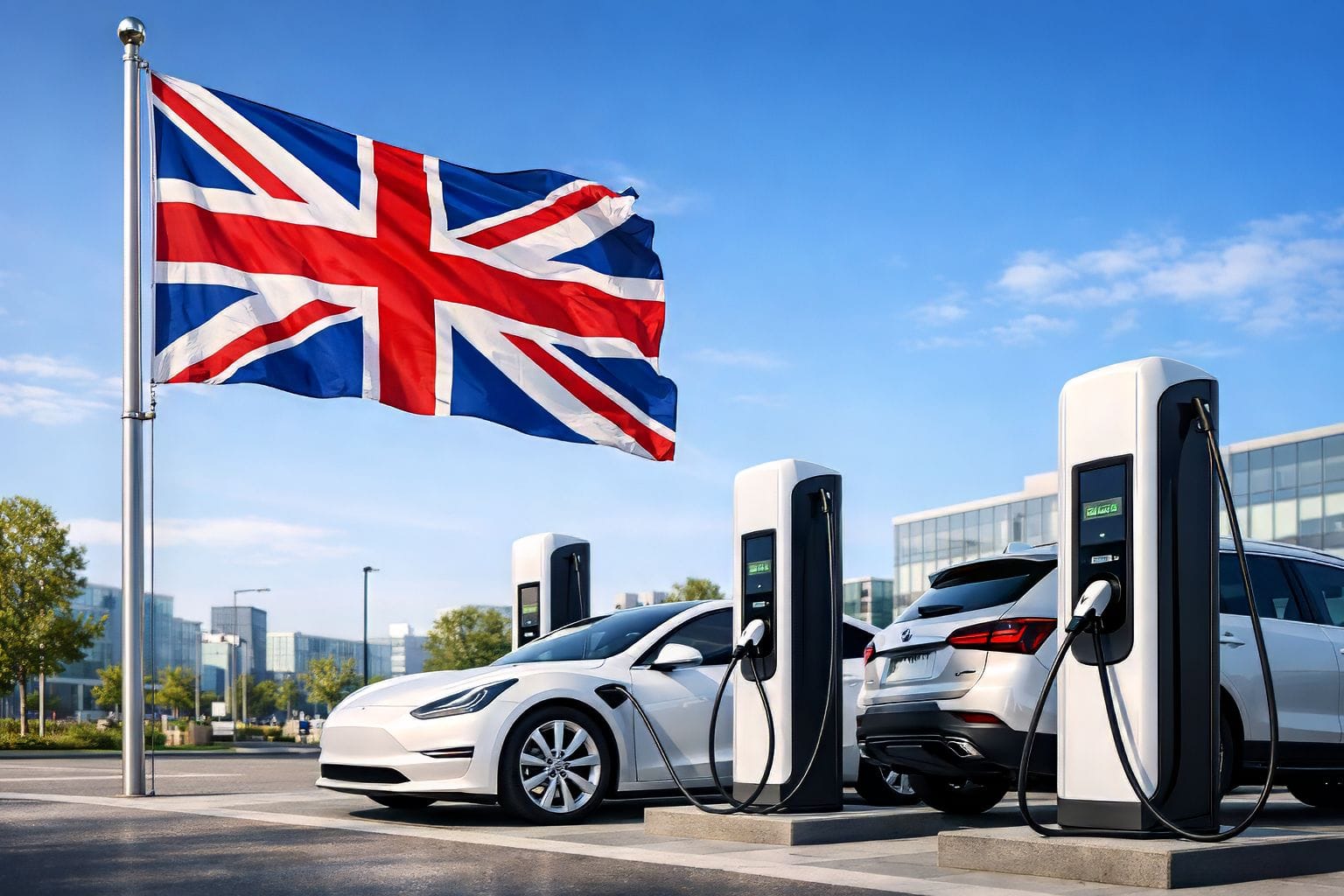
UK EVs 2030: The Bold Transformation of UK Roads
A New Era on UK Roads
By 2030, the United Kingdom’s streets will feel like a different world. The deep rumble of diesel engines, once a constant presence in cities and towns, will largely disappear. In its place, the quiet hum of electric vehicles will signal a transformation that goes beyond technology. This is a shift driven by innovation, forward-thinking policy, and the growing expectations of drivers who demand cleaner, smarter, and more efficient transport.
Electric cars are no longer a niche option for early adopters. They are becoming the standard, combining convenience, performance, and sustainability in ways that were once unimaginable. Government incentives, expanding charging networks, and improvements in battery technology are making electric mobility practical for families, commuters, and businesses alike. Streets once clouded with exhaust fumes will become cleaner and quieter, city centers will feel more open and breathable, and everyday travel will become smoother and more efficient.
UK EVs 2030 will not just share the roads with older vehicles. They will redefine what driving means for millions, creating a future where mobility is sustainable, accessible, and intelligent. The end of diesel signals a new beginning. Britain is entering an electric era, and the change will be visible in every street, every commute, and every journey.
Declining Diesel: The End of an Era
Diesel is losing its dominance faster than many predicted. Skyrocketing fuel costs, stricter emissions regulations, and urban diesel bans are accelerating its decline. Across the United Kingdom, data shows a steady drop in diesel registrations, while the adoption of electric vehicles continues to rise.
Diesel Decline Across the UK
Cities from London to Manchester are enforcing low-emission zones and restricting older diesel vehicles. These policies, combined with growing environmental awareness, are pushing private drivers and commercial fleets to reconsider their choices. Diesel is no longer the economical or practical option it once was.
Shifting to Electric Mobility
Fleet operators and everyday drivers are embracing electric vehicles, recognizing the long-term economic and environmental benefits. Lower running costs, reduced maintenance, and cleaner emissions make EVs a smarter choice. UK EVs 2030 are not just a future vision. They are actively reshaping the landscape of British roads today.
Government Policies and Incentives
The UK government is not just setting rules, it is shaping a vision of the roads of tomorrow. Grants for electric vehicle purchases, subsidies for home and public chargers, and ambitious net-zero targets are sending a clear message. Change is coming, and it is electric. Families, commuters, and business owners are beginning to see that driving an EV is not an abstract choice. It is practical, attainable, and forward-thinking, fitting seamlessly into everyday life.
Making the Switch Affordable
For years, the idea of buying an EV felt daunting. High costs and uncertainty made diesel and petrol vehicles seem safer. Now, financial incentives are lowering the barriers. Direct grants reduce upfront expenses, tax breaks make ownership more accessible, and fleet operators are discovering that switching to electric saves money while projecting a greener and more modern image. Each policy is a gentle push toward a future where efficiency and responsibility go hand in hand.
Charging That Fits Daily Life
Owning an electric vehicle is only meaningful if it fits daily routines. That is why the government is investing in an expanding charging network. Fast chargers along highways, workplace stations in city centers, and home installation support are transforming the way people plan their journeys. From early morning commutes to weekend trips, range anxiety is giving way to confidence and freedom. Drivers are discovering that electric mobility is not limiting, it is liberating.
A Clear Vision for 2030
UK EVs 2030 are central to the country’s net-zero ambitions. The planned ban on new petrol and diesel vehicles by 2030 is more than a deadline, it is a turning point. Urban centers are cleaner, air quality is improving, and citizens are adapting to a new reality. Policies, incentives, and infrastructure together are not just encouraging adoption, they are creating a culture where electric vehicles are the natural and intelligent choice for every journey.
Local Context: ZEV Mandate Driving Change
Understanding the ZEV Mandate
The UK’s Zero Emission Vehicle (ZEV) mandate is reshaping the automotive market. This policy requires manufacturers to sell a set percentage of electric or zero-emission vehicles each year. By creating clear targets, the mandate ensures that automakers prioritize electric mobility, accelerating the transition away from petrol and diesel vehicles.
Impact on Manufacturers and Consumers
Automakers are responding with new models, expanded EV lineups, and innovative technologies. Consumers benefit from greater choice and improved affordability as competition grows. The mandate also signals a long-term commitment to sustainability, giving buyers confidence that the UK is moving decisively toward a cleaner transport system.
Shaping the Future of UK Roads
By setting enforceable targets, the ZEV mandate drives both supply and demand for electric vehicles. Combined with government incentives, infrastructure expansion, and rising consumer interest, it is a critical factor in achieving the vision of UK EVs 2030. The policy reinforces the country’s leadership in zero-emission mobility and makes the transition tangible for both manufacturers and drivers.
The Rise of Electric Vehicles
EV technology has evolved rapidly. Batteries last longer, vehicle ranges have increased, and the charging infrastructure is expanding across the United Kingdom. These improvements make electric vehicles practical for daily use and suitable for almost every driver.
Diverse Models for Every Driver
Leading automakers are introducing a wide range of EV models, including compact city cars, high-performance SUVs, and family vehicles. This variety ensures that convenience, style, and functionality are no longer compromised for sustainability. Families, commuters, and businesses can choose vehicles that fit their needs while reducing environmental impact.
Practicality Meets Sustainability
With improved battery performance and growing access to charging networks, range anxiety is becoming a thing of the past. EVs meet the expectations of modern drivers, showing that sustainable transport can be both practical and enjoyable. UK EVs 2030 are already reshaping how people travel, commute, and experience British roads.
Charging Infrastructure Across the UK
One of the biggest questions for drivers considering electric vehicles has always been charging. Where can I charge? How long will it take? The United Kingdom is addressing these concerns decisively, turning a common worry into confidence for every new EV owner. The country is investing heavily in fast-charging networks, workplace stations, and home chargers. This is not just about technology; it is about transforming the way people move, commute, and experience their cities and towns.
Cities Leading the Charge
Urban centers such as London, Manchester, and Birmingham are becoming hubs for accessible charging. Streets, car parks, and shopping centers now feature stations that allow drivers to top up while going about their daily routines. A morning commute, a trip to the store, or a lunch meeting can now double as an opportunity to charge an EV. These upgrades are removing one of the last barriers to electric mobility in city life.
Reaching Rural Communities
Rural and suburban areas are catching up quickly. Community charging hubs are being established in villages and smaller towns, making it possible for drivers outside the cities to travel long distances with confidence. Range anxiety is no longer a limitation; it has been systematically addressed with smart planning and investment.
Charging at Home and Work
The convenience extends beyond public spaces. Home chargers allow drivers to wake up every morning with a full battery, ready for the day ahead. Employers are installing workplace chargers, giving employees the chance to top up their vehicles while at work. Electric mobility is becoming effortless, integrated seamlessly into daily routines.
UK EVs 2030 are supported by a charging infrastructure that is growing in both scale and reliability. From bustling cities to quiet villages, from home garages to office car parks, every journey is backed by a network that makes driving electric practical, reliable, and convenient. The roads of the future are being prepared today.
EV Growth and Infrastructure by the Numbers
Rapid Uptake of Electric Vehicles
Electric vehicles in the UK are moving from novelty to norm. Recent trends show that EV sales are doubling every year, with urban areas leading the way. Cities like London, Manchester, and Birmingham are seeing thousands of new electric cars on the streets, demonstrating both consumer demand and the impact of supportive local policies. By 2030, most new cars sold across the UK are expected to be fully electric.
Building a Nationwide Charging Network
Charging infrastructure is growing at an unprecedented pace. London now hosts over 10,000 public charging points, and other major cities are expanding quickly. New fast-charging stations along highways and community hubs in smaller towns make it easier for drivers to travel long distances. Home charging installations are also rising, giving everyday convenience to those making the switch.
Measurable Benefits for Drivers and Communities
Switching to electric is already proving financially and environmentally rewarding. On average, EV owners spend nearly half as much on fuel and maintenance compared to petrol or diesel drivers. Reduced emissions in cities are improving air quality, contributing to fewer respiratory problems and cleaner, quieter streets.
Looking Forward
Although challenges remain, such as battery material sourcing and grid management, the upward trend in both EV sales and charging infrastructure shows that the UK is moving steadily toward a fully electric future. Concrete numbers make this progress tangible, helping readers understand that the 2030 vision is not just aspirational, but actively taking shape.
Economic and Consumer Benefits
Switching to an electric vehicle is no longer just a statement about caring for the environment. It is a decision that makes sense for everyday life, finances, and long-term planning. Drivers across the United Kingdom are realizing that owning an EV can be easier on the wallet, simpler to maintain, and more convenient than they ever imagined. Every journey is becoming not only greener but smarter.
Lower Costs for Everyday Drivers
Electric vehicles offer clear financial advantages. Charging at home is cheaper than filling a petrol or diesel tank, and EVs require fewer repairs thanks to simpler mechanics and fewer moving parts. Tax incentives, grants, and discounts further reduce the cost of ownership. For families and commuters, this means that choosing an electric vehicle is not a luxury, but a practical way to save money every day.
Business Advantages
Companies are also seeing tangible benefits from switching to electric fleets. Reduced fuel expenses, lower maintenance, and a smaller carbon footprint make operations more efficient. Businesses that invest in EVs also project a modern, responsible image to clients and partners. Each electric vehicle on the road reinforces the idea that sustainability and economic sense can go hand in hand.
Practical and Forward-Looking Choice
UK EVs 2030 are transforming the way people approach mobility. Choosing electric is a decision that benefits the environment, reduces costs, and integrates seamlessly into daily life. It is a choice that is as practical as it is forward-looking, proving that the future of driving is here, and it makes sense for everyone.
Environmental Impact
Transitioning to electric vehicles is more than a technological shift. It is a change that can be felt in the air we breathe, the streets we walk, and the cities we call home. Reduced emissions from EVs directly improve air quality, lower greenhouse gas levels, and reduce noise pollution. Urban streets are becoming quieter, cleaner, and healthier places to live.
Cleaner Air in Cities
For residents in major cities such as London, Manchester, and Birmingham, the benefits are tangible. Fewer fumes mean lower levels of harmful pollutants, which leads to improved health outcomes. Reduced asthma rates and cleaner air make urban living more comfortable and sustainable for everyone.
Reducing Greenhouse Gases
Electric vehicles play a critical role in the UK’s fight against climate change. By replacing petrol and diesel cars, EVs help reduce the nation’s greenhouse gas emissions, bringing the country closer to its net-zero targets. Each electric vehicle on the road contributes to a measurable decrease in carbon output.
Quieter, Safer Streets
Noise pollution is another overlooked benefit. Streets filled with electric vehicles are significantly quieter, making neighborhoods safer and more pleasant. Children playing outside, pedestrians walking, and cyclists riding feel the difference every day.
UK EVs 2030 are not just about technology or policy. They are changing the lived experience of cities across Britain. Cleaner air, quieter streets, and healthier communities are now within reach, showing that electric mobility improves life while reducing emissions.
Consumer Adoption Patterns
Electric vehicles are no longer reserved for early adopters or technology enthusiasts. Across the United Kingdom, social awareness of climate change, combined with accessible technology and government incentives, is driving mass adoption. Owning an EV has become a statement of modernity, responsibility, and practicality.
From Novelty to Norm
In the past, driving an electric car was seen as experimental. Today, families, commuters, and businesses view EVs as a mainstream choice. Charging networks are reliable, vehicle ranges are longer, and models suit every lifestyle. The decision to switch is increasingly based on practicality rather than curiosity.
Cultural Shift
The move toward electric mobility is as cultural as it is technological. People are embracing the idea that sustainable choices can align with daily life, finances, and convenience. EV ownership is now a mark of awareness, signaling commitment to a cleaner future while meeting the demands of modern living.
Mass Adoption in Motion
UK EVs 2030 are no longer a distant vision. They are on the roads today, shaping consumer expectations and transforming the way people think about driving. The adoption patterns show that electric vehicles are becoming the standard rather than the exception, with more drivers each year joining the shift toward a sustainable and practical future.
The Road Ahead
The shift to electric vehicles is no longer a distant idea. It is happening now, quietly transforming the way the United Kingdom moves. Streets are becoming cleaner, cities are growing quieter, and drivers are rethinking what it means to own a car. Every policy, every technological breakthrough, and every new charging station brings the country closer to a fully electric future.
Driving into a Cleaner Future
By 2030, UK EVs 2030 will be the standard on roads nationwide. Diesel and petrol vehicles will be increasingly rare, replaced by silent, efficient, and environmentally friendly cars. Commuters will notice the difference in the air they breathe, families will enjoy quieter streets, and city centers will feel fresher and more welcoming. The change is not only technological, it is tangible in everyday life.
Innovation at Every Turn
Transitioning a nation to electric mobility requires bold innovation. Automakers are producing vehicles with longer ranges and faster charging. Energy providers are building smarter grids to handle growing demand. Policymakers are guiding the shift with incentives and infrastructure planning. Each challenge sparks creativity, and every solution makes the future more reliable and exciting.
A Cultural and Practical Shift
Electric vehicles are changing more than transportation, they are reshaping culture. Drivers are embracing EVs as a practical, responsible, and modern choice. Families, businesses, and communities are all part of the movement, redefining what it means to travel efficiently and sustainably. Choosing electric is no longer a statement about the future, it is a smart decision for today.
UK EVs 2030 are more than a trend. They are a force that is reshaping streets, neighborhoods, and the way the nation moves. The road ahead is challenging, but it is full of opportunity, progress, and a vision for a cleaner, smarter, and more sustainable United Kingdom.
Balancing Optimism with Real Challenges
A Promising Future for UK EVs 2030
The outlook for UK EVs 2030 is overwhelmingly positive. Streets will become cleaner, cities quieter, and daily travel smarter and more efficient. Electric cars provide lower emissions, reduced operating costs, and a transformative approach to mobility. For individuals and communities, the shift to electric represents a meaningful step toward a sustainable and modern transport system.
Challenges That Must Be Addressed
However, the transition is not without obstacles. Expanding nationwide charging networks, securing sustainable battery materials, and integrating millions of electric vehicles into the power grid are complex tasks. Policymakers, manufacturers, and consumers will need to work together to overcome these challenges and ensure a smooth adoption process.
Turning Challenges into Opportunities
By facing these obstacles while focusing on the benefits, the UK can navigate the journey to a fully electric future successfully. Recognizing both the hurdles and the potential advantages makes the vision of 2030 realistic and credible, while keeping the excitement and optimism about electric mobility alive.
Industry Leadership and Innovation
The electric vehicle industry is moving faster than ever, driven by a combination of established automakers and ambitious startups. Every company is racing to innovate, creating vehicles that are not only cleaner but smarter, faster, and more efficient.
Next-Generation Batteries
Battery technology is at the heart of this revolution. Advances are delivering longer ranges, shorter charging times, and greater reliability. These improvements are making electric vehicles practical for every journey, from city commutes to long-distance travel, and are removing one of the biggest barriers to adoption.
Smarter, Connected Vehicles
The future of EVs goes beyond batteries. Cars are becoming connected to digital infrastructure, allowing drivers to plan trips, monitor energy use, and interact with smart grids. Autonomous and semi-autonomous features are also on the rise, promising safer, more convenient, and more enjoyable driving experiences.
Innovation Driving the Market
UK EVs 2030 are being shaped by this wave of innovation. Every breakthrough in technology, design, and digital integration is accelerating adoption, improving efficiency, and creating new possibilities for drivers. The industry is not just responding to demand, it is defining what the future of mobility will look like in the United Kingdom.
Future Outlook: 2030 and Beyond
By 2030, electric vehicles will dominate the roads across the United Kingdom. Diesel and petrol cars will remain only in limited or specialized roles, while electric mobility reshapes how people live, work, and travel. Cleaner streets, smarter cities, and more efficient transport networks are no longer distant visions. They are becoming reality.
Transforming Cities and Communities
Urban planning is adapting to the rise of EVs. Reduced emissions lead to cleaner air, and quieter streets create safer and more pleasant spaces for pedestrians and cyclists. Public transport and logistics systems are integrating with electric vehicle technology, reducing congestion and improving efficiency. Communities across the UK are beginning to see the tangible benefits of this shift.
Innovation Beyond the Road
Technology continues to drive the transformation. Vehicles are becoming smarter, connected to grids and digital infrastructure, and able to interact with other systems to optimize energy use. Autonomous features and advanced navigation make travel safer, smoother, and more convenient. Mobility is becoming a seamless part of everyday life.
A Practical and Sustainable Future
UK EVs 2030 are more than cars. Every journey contributes to cleaner air, lower emissions, and more sustainable living. The road ahead is not just about reaching 2030. It is about creating a future where electric mobility improves lives, strengthens communities, and shapes a modern and resilient United Kingdom.
Driving Into an Electric Future
The rise of electric vehicles is transforming everyday life across the United Kingdom. Roads are becoming quieter, air is getting cleaner, and cities are adapting to a new rhythm shaped by electric mobility. What once felt experimental is now mainstream, supported by government policy, expanding charging networks, and rapid technological innovation. Drivers are discovering that electric cars fit naturally into daily routines, from commuting and school runs to long motorway journeys.
Diesel’s long reign is fading as EVs offer clear practical advantages. Longer driving ranges, faster charging, and lower running costs are changing how people think about ownership. UK EVs 2030 are no longer just a projection, they are an unfolding reality that is redefining expectations for transport, sustainability, and personal mobility.
Urban landscapes are evolving alongside this shift. Cleaner streets mean healthier communities. Quieter traffic makes neighbourhoods more livable. City planners are reimagining public spaces, logistics systems, and energy use to match an electric future that prioritises efficiency and quality of life.
This transition is not waiting for the next decade to arrive. It is happening now, vehicle by vehicle and street by street. UK EVs 2030 capture a moment of historic change, one in which technology, policy, and consumer choice converge to shape a cleaner, smarter, and more resilient transport system for generations to come.
FAQ – UK EVs 2030
Q: When will electric vehicles become the norm in the UK?
A: Electric vehicles are expected to dominate UK roads by 2030. Traditional petrol and diesel cars will mostly remain for niche or special purposes. Each year, more drivers switch to cleaner, quieter, and more efficient transport options, signaling a clear and irreversible trend.
Q: Why are more drivers switching to EVs?
A: EVs provide practical benefits that appeal to modern drivers. Longer battery ranges, faster charging times, lower running costs, and reduced maintenance make them convenient. Many people also choose EVs for environmental reasons and to support the UK’s net-zero ambitions.
Q: How is the UK government encouraging EV adoption?
A: The government offers purchase grants, tax reductions, and funding for home and public charging infrastructure. Importantly, the Labour government has reinstated the 2030 deadline for banning new petrol and diesel car sales, ensuring a firm policy signal to both manufacturers and consumers.
Q: Are charging stations easy to find across the UK?
A: Yes. As of early 2026, the UK has over 85,000 public EV charging points, and the network grew by more than 30 percent in the last year alone. Fast chargers, workplace stations, and community hubs make recharging simple and convenient, even for long-distance travel.
Q: What are the environmental advantages of EVs?
A: Electric vehicles produce no tailpipe emissions, reduce greenhouse gases, and decrease noise pollution. Streets are cleaner and quieter, leading to better air quality, fewer respiratory problems, and a more pleasant urban environment.
Q: How are businesses benefiting from switching to electric vehicles?
A: Companies save on fuel and maintenance costs while also improving their sustainability image. EV fleets allow businesses to operate efficiently and demonstrate environmental responsibility to customers and employees.
Q: What obstacles remain for widespread EV adoption?
A: Key challenges include battery production, sourcing sustainable materials, and integrating EVs into the energy grid. Advances in solid-state batteries, vehicle-to-grid technology, and recycling programs are helping overcome these hurdles.
Q: How is the EV industry innovating?
A: Automakers and startups are introducing vehicles with longer ranges, faster charging, and smarter digital features. In 2026, the industry is focusing on innovations such as Battery Passports and improved battery recycling technologies to make EVs more sustainable and efficient.
Q: How will EVs change daily life by 2030?
A: By 2030, UK EVs 2030 will transform commuting, city travel, and logistics. Streets will be quieter, air quality will improve, and transport networks will operate more efficiently. Daily travel will become more sustainable, practical, and enjoyable for everyone.
Editorial Disclaimer
The information in this article, “UK EVs 2030: Why Electric Cars Will Rule the Roads,” is provided for general informational purposes. It reflects analysis of the UK electric vehicle market, government policies, technological advancements, and industry trends at the time of writing.
While we aim to provide accurate and up-to-date content, the future of EV adoption, infrastructure, and technology may evolve. This article does not offer professional, financial, or legal advice, and it is not an endorsement of any company, product, or service.
Readers should verify facts and consult experts when making decisions related to electric vehicles, investments, or sustainability planning. The goal of this article is to inform, provide perspective, and highlight trends shaping UK EVs 2030 and the country’s transition to electric mobility.
References
- Official Government Guidance on EV Costs: A comprehensive guide from the UK government detailing electric vehicle costs, charging infrastructure growth, and lifecycle emissions via GOV.UK.
- Parliamentary Research on EV Transition: An official briefing for lawmakers that analyzes vehicle registration statistics and identifies key barriers to public charge point targets by 2030 via UK Parliament.
- National Smart Charging Action Plan: The strategic government roadmap for integrating 10 million electric vehicles into the energy grid while supporting renewable energy targets via GOV.UK.
- Market Trends and Consumer Readiness: A professional 2025 survey by PwC highlighting adoption trends and the UK’s strengthening position within the European EV market via PwC.
- Strategic Essentials for EV Success: Independent analysis by EY and Eurelectric focusing on the critical role of utilities and stakeholders in supporting infrastructure needs via EY Newsroom.
