

What Is Diplomacy? Meaning and Role in Global Politics
Diplomacy is one of the oldest ways societies have learned to live together peacefully. Long before modern governments existed, people relied on dialogue, compromise, and negotiation to prevent conflicts and protect their interests. Today, diplomacy may seem formal or distant, but it shapes daily life more than most people realize.
It influences how countries trade, how people travel, how disputes are resolved, and how rules for technology and security are established. Even when it happens quietly, diplomacy plays a crucial role in maintaining global stability.
In a world of rapid change, from climate challenges to shifting geopolitical power, diplomacy is more essential than ever. This article explores what diplomacy truly means, how it works in practice, and why it remains a cornerstone of international relations today.
What Is Diplomacy?
Diplomacy is the way countries, organizations, and groups manage their relationships through dialogue rather than force. It relies on negotiation, communication, and the pursuit of peaceful solutions.
At its simplest, diplomacy is meant to:
- Prevent conflicts before they escalate into violence.
- Resolve disputes through peaceful negotiation.
- Build cooperation around shared goals.
- Balance interests between national priorities and shared global concerns.
Unlike military power or economic pressure, diplomacy operates through dialogue and trust, often without public attention. When successful, it prevents crises and enables cooperation without dramatic headlines.
Today, diplomacy plays an essential role in addressing global challenges such as climate change, international trade disputes, pandemics, and regional conflicts. Through careful dialogue, negotiation, and collaboration, nations and organizations can find sustainable common ground, even amid tense or complex situations.
Who Practices Diplomacy?
Diplomacy is often associated with ambassadors and formal meetings. However, its influence reaches far beyond these roles. A broad network of actors shapes international relations every day, often behind the scenes.
Key participants include:
- Government leaders and professional diplomats. They represent their countries and negotiate agreements.
- International organizations and multilateral bodies. They coordinate actions among multiple states to address shared global challenges.
- Special envoys and experienced negotiators. They resolve conflicts and advance strategic objectives.
- Policy advisors, analysts, and strategic planners. They provide guidance and expertise to decision-makers.
Non-state actors also play a crucial role. NGOs, research institutions, universities, and cultural organizations maintain dialogue and cooperation. Through humanitarian projects, scientific collaboration, and cultural exchanges, they support diplomacy even when traditional political channels face limitations.
Effective diplomacy depends on cooperation. By combining expertise, influence, and clear communication, these actors create sustainable solutions and build long-term trust on the global stage.
How Diplomacy Works
Diplomacy functions through both formal and informal channels. It combines careful planning with flexibility to manage relationships and resolve conflicts effectively. Key methods include:
- Bilateral talks: Direct discussions between two countries aimed at resolving specific issues and building mutual understanding.
- Multilateral forums: Platforms where multiple states collaborate on global challenges, from trade agreements to climate action.
- Behind-the-scenes negotiations: Private dialogues that prevent disputes from escalating publicly and create opportunities for compromise.
- Crisis communication: Rapid, focused engagement during emergencies to manage tensions and prevent misunderstandings.
Progress in diplomacy is rarely immediate. Success depends on patience, compromise, and sustained engagement. Unlike dramatic headlines, diplomacy often works quietly, creating trust and durable solutions that shape international relations over time.
Types of Diplomacy
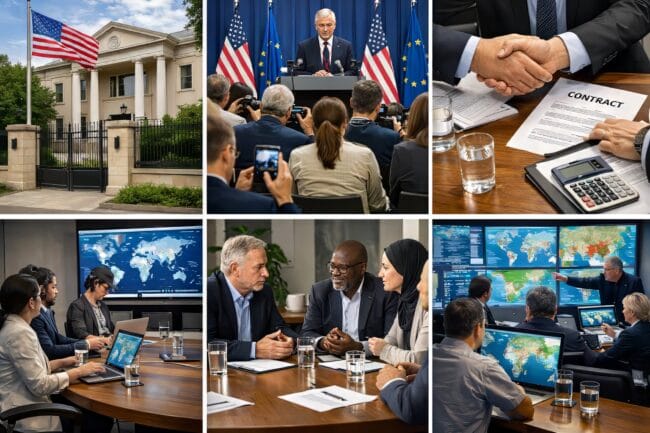
Diplomacy takes various forms depending on the purpose and context. Each approach enables countries and organizations to manage relations and solve problems effectively.
- Traditional Diplomacy: Focuses on formal relations between states. It relies on embassies, official visits, and agreements that establish long-term frameworks for cooperation.
- Economic Diplomacy: Uses trade, investment, and financial partnerships to strengthen ties and promote mutual growth. These activities can influence both domestic and global markets.
- Cultural Diplomacy: Builds understanding and trust through education, the arts, sports, and cultural exchanges. It fosters goodwill that can reduce political tensions and encourage collaboration.
- Digital Diplomacy: Leverages online platforms and technology to communicate, share information, and influence global audiences efficiently.
- Crisis Diplomacy: Addresses urgent situations such as conflicts, natural disasters, or political instability. It prioritizes immediate dialogue, negotiation, and conflict prevention.
Combined, these types of diplomacy form a flexible toolkit for navigating the complexities of the modern world. Effective diplomacy rarely depends on a single approach. Instead, success comes from blending multiple strategies to respond to challenges and achieve lasting results.
Diplomacy vs Foreign Policy
Foreign policy and diplomacy are closely connected, but they serve distinct purposes in international relations. Understanding the difference helps clarify how countries operate on the global stage.
- Foreign policy defines a country’s objectives, priorities, and long-term strategy. It sets the direction for how a nation wants to interact with the world, from security and trade to alliances and global challenges. For example, a government might prioritize economic growth abroad, climate action, or regional stability.
- Diplomacy is the practical tool used to implement that strategy. It involves negotiations, dialogue, and relationship-building to achieve the goals outlined in foreign policy. Diplomats, envoys, and international organizations work behind the scenes to translate strategic plans into concrete agreements, partnerships, or solutions.
In simple terms, foreign policy is the plan, while diplomacy is the action. Together, they determine how a country navigates global politics, manages competition, and responds to crises effectively. Without diplomacy, even the most well-crafted foreign policy risks remaining on paper.
Case Studies in Diplomacy
Diplomacy works in diverse ways, from long-term strategic agreements to rapid crisis coordination. Two clear examples highlight its impact:
Paris Climate Agreement (2015)
Through extensive negotiation, countries around the world agreed on commitments to reduce greenhouse gas emissions and tackle climate change. This long-term, strategic agreement demonstrates how diplomacy can align diverse national interests toward a shared global goal.
WHO Pandemic Coordination
During global health crises, diplomacy enables countries to share information, allocate resources, and coordinate responses. The World Health Organization’s efforts show how diplomatic collaboration can manage urgent situations and protect public health under intense pressure.
These examples illustrate the multi-faceted role of diplomacy. From shaping sustainable long-term strategies to managing immediate crises, diplomacy allows nations to communicate, compromise, and act collectively in ways that no single country could achieve alone.
Diplomacy in the Modern World
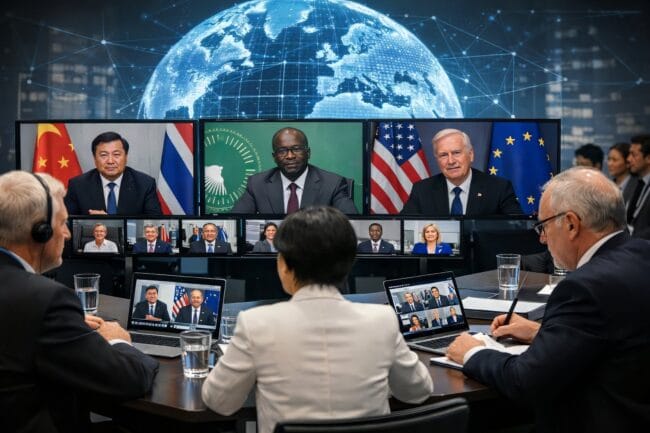
The practice of diplomacy has evolved to meet the demands of a fast-paced, interconnected global environment. Governments must navigate complex relationships while adapting to technological changes and public scrutiny.
Key aspects of diplomacy today include:
- Real-time communication, enabling immediate information sharing and rapid negotiation.
- Heightened visibility, as international media and citizens monitor government actions closely.
- Influence of social media, which can quickly alter public opinion and shape global perceptions.
- Data-driven insights, including analytics and AI tools that guide decision-making and risk assessment.
Despite these technological and social shifts, the core principles of diplomacy remain consistent. Building trust, listening attentively, and understanding different perspectives are essential for effective engagement. When applied skillfully, these principles help prevent conflicts, foster collaboration, and support international stability.
Modern diplomacy also depends on adaptability, cultural awareness, and partnerships with governments, international organizations, and non-state actors. Combining traditional diplomatic practices with innovative methods allows diplomats to address today’s global challenges efficiently and responsibly.
Common Misunderstandings About Diplomacy
Many people assume diplomacy is weak or ineffective. In reality, it often achieves results quietly, without fanfare or headlines.
Key points to understand include:
- Impact is measured in avoided conflicts, not in battles won.
- It complements other tools of national power, such as military and economic measures, rather than replacing them.
- Diplomacy is not about agreeing at all costs; it is about managing differences and preventing escalation.
- Success is often subtle, visible in stability, cooperation, and long-term relationships rather than dramatic news events.
By correcting common misconceptions, we can better appreciate how diplomacy shapes international relations and supports global stability.
Why Diplomacy Still Matters Today
Diplomacy remains crucial in a world defined by competition, uncertainty, and rapid change. It provides a structured way for nations to communicate when trust is low and the consequences of misunderstandings are high.
Even with evolving technology and shifting power dynamics, the need for consistent dialogue between countries does not vanish. Diplomacy helps prevent conflicts, manage disagreements, and create opportunities for cooperation on issues like global health, trade, and climate change.
Much of its work happens quietly. Successful diplomacy often avoids public attention, resolving disputes, building partnerships, and maintaining stability without headlines. It is not passive; it actively shapes how countries negotiate, make agreements, and respond to challenges.
Modern diplomacy also relies on adaptability, cultural understanding, and collaboration with governments, international organizations, and non-state actors. By blending traditional negotiation methods with modern tools and strategies, diplomacy continues to guide nations through complex global issues effectively and responsibly.
Key Takeaways: Diplomacy
- Diplomacy is a living practice, not a relic of the past.
- It adapts to new realities while keeping a simple principle: problems are easier to resolve through dialogue than through force.
- Understanding diplomacy helps us grasp how the world works, including how nations cooperate, negotiate, and prevent conflicts.
References
Diplomacy for Peace: Explore the role of preventative diplomacy and international mediation at United Nations.
Climate Diplomacy: Access the full framework and strategic goals of the 2015 global climate pact at UNFCCC.
Health Crisis Coordination: Discover the strategic response plans and global health safety protocols from the World Health Organization.
