

Will Food Prices Fall in 2026? A Clear Global Analysis
Food prices in 2026 continue to challenge shoppers around the world. Many people are asking, will food prices fall in 2026. Even as energy costs ease, supply chain disruptions, climate events, and global trade dynamics keep grocery bills high. Understanding these forces helps consumers make sense of rising costs and plan their budgets effectively.
Key Takeaways for 2026:
- Sticky Prices: While inflation is slowing, overall food costs remain elevated due to the base effect.
- Mixed Drivers: Lower energy costs offer some relief, but climate volatility and trade disruptions create unpredictable price spikes.
- Strategic Shopping: Understanding shrinkflation and focusing on seasonal, local products are the most effective ways to manage household budgets.
Food Prices Remain Stable
Food prices rarely change quickly. In 2026, even with falling energy costs, most consumers will notice limited relief at the checkout. Costs such as transportation, labor, tariffs, storage, and processing prevent immediate price reductions. Savings from higher production or lower energy prices are only partially passed on.
Demand continues to grow. Urban populations are expanding, diets are evolving, and people increasingly buy processed and convenience foods. These trends maintain a baseline for prices and make sharp declines unlikely.
Understanding the Base Effect in Inflation
Readers often wonder why economists say that “inflation has slowed” even when prices at the store remain high. The key concept here is the base effect.
The base effect refers to the way inflation is calculated compared to previous periods. If prices rose sharply last year, the same increase this year may appear smaller in percentage terms, even though goods remain expensive.
In other words, when economists report that inflation is lower, it does not mean that prices have dropped to previous levels. It means the rate at which prices are increasing has slowed down. Prices are still high, but they are rising more slowly than before.
Example:
If bread prices rose 10% last year and only 5% this year, inflation is considered lower, even though bread costs more than two years ago. The slower growth is what economists mean by “inflation has decreased,” not a fall in absolute prices.
This explanation helps shoppers understand why store prices may feel unchanged or still high, while inflation statistics suggest a slowdown.
Energy Costs and Their Influence
Energy is a key driver of food prices. In early 2026, oil and gas prices have softened due to surplus production and reduced geopolitical tensions. This has lowered transportation and processing costs in some regions.
However, the effect is uneven. Imported products that travel long distances, require refrigeration, or involve complex processing, such as coffee, cocoa, and seafood, remain costly. Energy reductions alone cannot remove all structural costs.
Consumers may not see immediate savings at the grocery store. Energy helps, but it cannot eliminate all cost pressures.
Climate and Agricultural Volatility
Climate events continue to affect agriculture worldwide. Droughts, floods, and irregular rainfall disrupt harvests.
For example, Brazil, a major coffee exporter, faced droughts in late 2025. The harvest was reduced, creating local shortages and higher global coffee prices. West Africa experienced irregular rainfall affecting cocoa production, contributing to price volatility.
Technology, crop insurance, and government programs can help mitigate losses but rarely result in significant price drops. A good harvest in one region may be offset by problems elsewhere.
Geopolitical Factors and Trade Routes in 2026
In 2026, geopolitical developments continue to influence food prices. One key aspect is the security and stability of major trade routes. Shipping lanes such as those in the Red Sea or the Black Sea are crucial for moving grains, oil, and other commodities around the world.
Any disruptions caused by political tensions, conflicts, or piracy can immediately increase transportation costs. Even brief interruptions may lead to higher global prices, as shipping delays force buyers to pay more for available supplies or to use alternative routes.
Understanding this factor helps explain why food prices remain high despite favorable harvests or lower energy costs. The safety and accessibility of trade routes are as important as production levels and demand, making geopolitics a direct driver of global food costs.
Regional Differences
Food prices do not affect all countries equally. In developing nations, price changes have a more significant impact because households spend a larger portion of their budget on food, often 40 to 50 percent.
In contrast, in developed countries, food usually accounts for a smaller share of household expenses. This means that even moderate price increases can strain family budgets in developing regions, while the effect is less noticeable in wealthier economies.

Supply Chains and Trade
Global supply chains are stabilizing but remain fragile. Port congestion, truck shortages, and shipping delays add costs even when production is sufficient.
Trade policies, including tariffs, export restrictions, and subsidies, can suddenly influence prices. One country limiting grain exports can outweigh lower energy costs or good harvests in other regions. Food markets are interconnected, and small disruptions often have large effects.
Key Factors Affecting Food Prices in 2026
| Factor | Influence in 2026 | Expected Outcome |
|---|---|---|
| Energy | Falling oil and gas prices | Moderate reduction in transport and processing costs |
| Climate | Droughts and irregular rainfall | Localized price spikes, for example coffee and cocoa |
| Logistics | Supply chain recovery continues | Some stabilization, but delays persist |
| Demand | Growing urban populations and processed foods | Maintains a baseline for prices |
| Trade & Tariffs | Export restrictions and import duties | Can override positive trends in other areas |
Consumers often notice that prices do not always rise even when inflation is present. One reason is shrinkflation, a hidden form of price increase.
Shrinkflation occurs when the size, weight, or volume of a product is reduced while the price remains the same. For example, a chocolate bar or a pack of cereal may contain less than before, effectively increasing the price per unit without changing the sticker price.
Understanding shrinkflation helps shoppers recognize that stable prices do not always mean they are paying less. It is a subtle but common way companies adjust to rising costs without changing shelf prices.
Consumer Advice
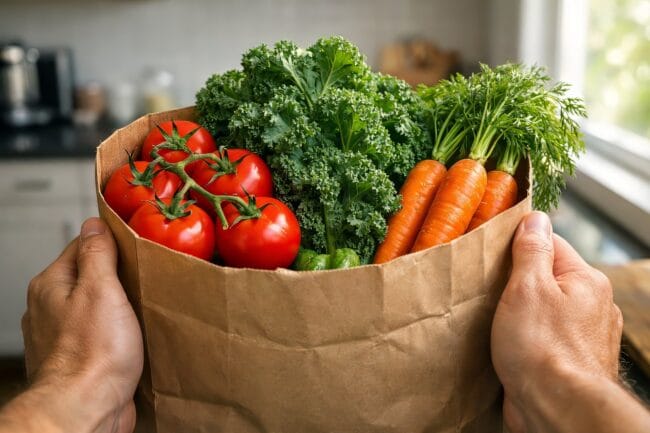
Expect small changes in prices. Seasonal and local produce may be cheaper, while imported or processed products remain costly. Bulk purchases and flexibility in brands or types can help manage household budgets.
Government programs may offer temporary relief, but they are not a long-term solution. Consumers who plan purchases and adjust their buying habits will navigate 2026 more successfully.
Conclusion
Food prices in 2026 are unlikely to fall sharply. Energy cost reductions provide some relief, but sticky costs, climate events, trade policies, and sustained demand maintain pressure. Minor reductions are possible in some categories, but broad declines are unlikely.
The main message is clear. Careful planning, adaptability, and informed purchasing are the most reliable strategies for managing food costs in the current global market.
What strategies do you use to manage rising food prices in your household, and which factors affect your shopping decisions the most in 2026? Share your thoughts in the comments below.
References:
- Global Food Price Index – Food and Agriculture Organization (FAO)
- Energy Market Analysis – International Energy Agency (IEA)
- Maritime Trade Security – World Shipping Council (Red Sea Updates)
